









Factory energy costs represent significant operational expenses, with roof systems accounting for substantial heat loss in poorly insulated facilities. Modern UPVC roof sheet technology delivers thermal performance improvements that reduce heating and cooling demands dramatically. Unlike traditional metal roofing that conducts heat rapidly, UPVC roof sheet materials provide inherent insulation properties moderating interior temperature fluctuations. Understanding how UPVC roof sheet engineering improves factory thermal management reveals significant opportunities for energy cost reduction and environmental responsibility. LESSO recognizes that UPVC roof sheet installation transforms facility efficiency while protecting equipment and personnel from temperature extremes.
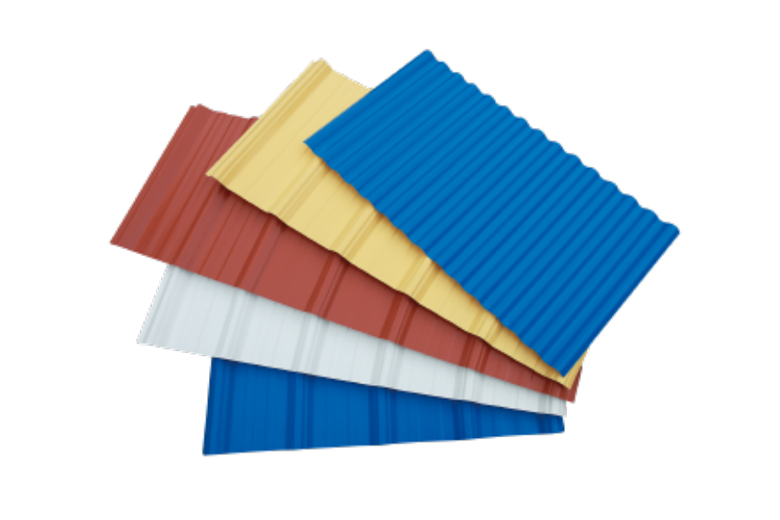
Thermal Conductivity and Heat Transfer Reduction
UPVC roof sheet materials exhibit significantly lower thermal conductivity compared to conventional metal roofing alternatives. Traditional metal roof systems conduct heat rapidly, creating temperature variations inside facilities and increasing HVAC system demands. UPVC roof sheet construction interrupts thermal transfer pathways, maintaining more stable interior temperatures year-round. The insulation value of UPVC roof sheet materials reduces energy consumption for both heating and cooling operations. Facilities retrofitting to UPVC roof sheet systems report heating and cooling cost reductions of 15-25% depending on climate conditions and previous roofing performance.
Weather Protection and Moisture Control
UPVC roof sheet systems prevent moisture infiltration that compromises insulation effectiveness in conventional roofing. Traditional metal roofs with inadequate sealing allow water penetration degrading underlying insulation materials. UPVC roof sheet designs incorporate weatherproof joinery and gasket systems preventing moisture problems. By maintaining dry conditions, UPVC roof sheet systems preserve insulation properties throughout extended service life. Factories utilizing UPVC roof sheet protection avoid costly water damage and insulation replacement expenses.
Condensation Prevention and Interior Comfort
Interior condensation forms when warm air contacts cold surfaces, creating uncomfortable working conditions and promoting mold growth. UPVC roof sheet materials maintain temperatures closer to interior air conditions, reducing condensation formation significantly. Improved interior comfort from UPVC roof sheet installation increases worker productivity and reduces environment-related health issues. Facilities adopting UPVC roof sheet systems report fewer condensation-related problems affecting product quality and worker safety.
Noise Insulation and Acoustic Benefits
Beyond thermal performance, UPVC roof sheet materials provide acoustic insulation reducing factory noise levels. The material composition of UPVC roof sheet dampens sound transmission from external sources. Quieter factory environments improve worker communication and reduce fatigue from noise exposure. UPVC roof sheet acoustic properties complement thermal benefits, creating more pleasant working conditions throughout facilities.
Long-Term Durability and Maintenance Savings
UPVC roof sheet systems maintain insulation properties throughout 20-30 year service life without significant degradation. Traditional roofing materials often require replacement or re-insulation after 10-15 years as thermal performance declines. The durability of UPVC roof sheet materials translates to sustained energy savings throughout extended equipment life. UPVC roof sheet investments deliver continuous thermal benefits and operational cost reductions across decades of factory operation.
Conclusion
UPVC roof sheet technology improves factory insulation through superior thermal properties, moisture protection, condensation prevention, and acoustic benefits. LESSO's UPVC roof sheet products deliver comprehensive thermal performance improvements, reducing energy consumption and operational costs. By installing quality UPVC roof sheet systems, factories achieve significant energy savings while improving worker comfort and environmental responsibility throughout extended service life.
