









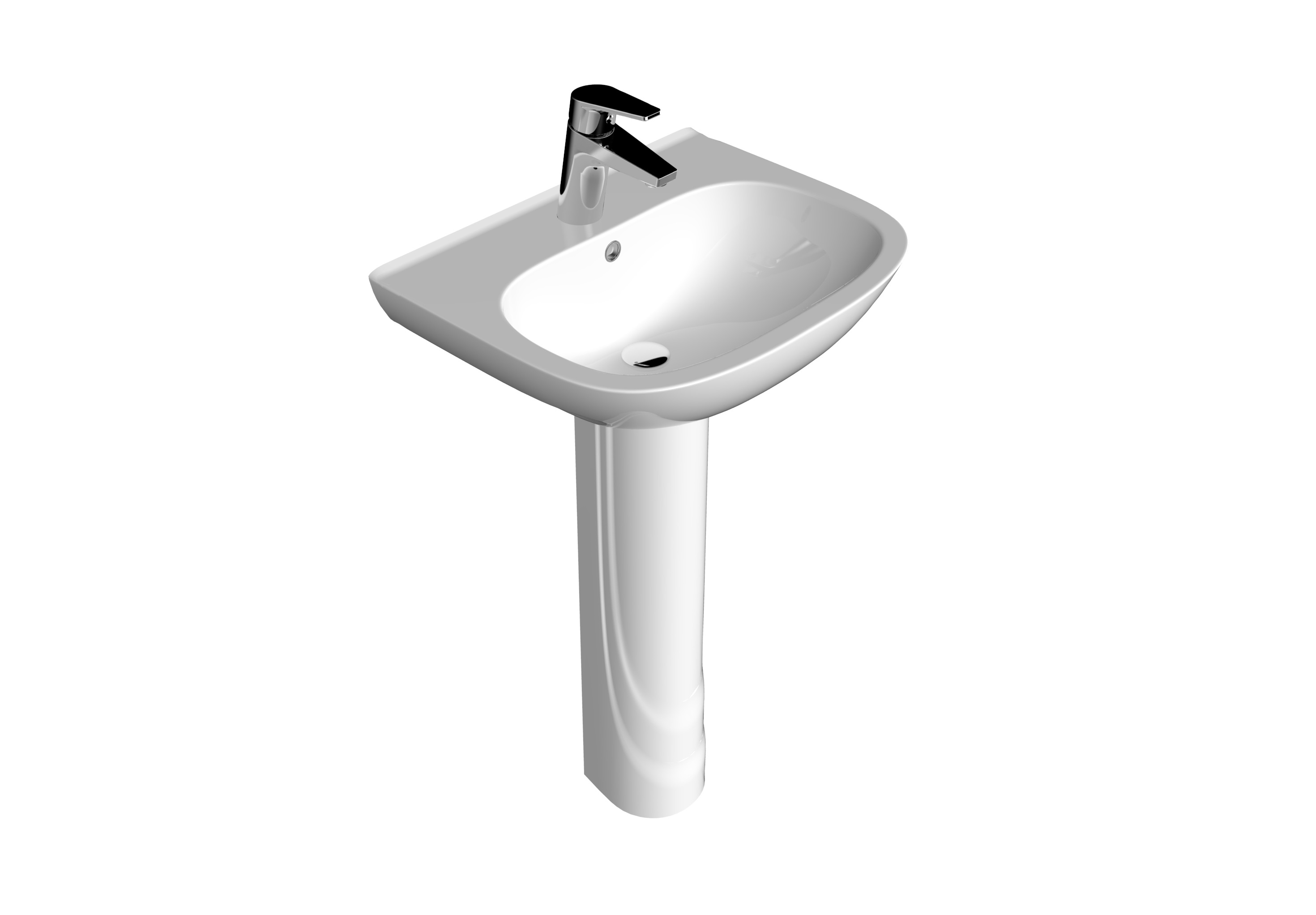
Material selection plays a defining role in how long sanitary wares and fittings last, especially as buildings age and maintenance budgets tighten. For manufacturers like LESSO, ensuring that sanitary wares and fittings can withstand years of use is central to product design and engineering. Understanding how different materials behave helps engineers, contractors, and facility managers make better long-term choices.
Corrosion Resistance Defines Long-Term Performance
One of the biggest threats to sanitary wares and fittings is corrosion—particularly in bathrooms and commercial washrooms where humidity levels stay high. LESSO incorporates materials such as stainless steel, high-grade brass, and engineered polymers to combat corrosion and maintain performance over time. The more resistant the material, the less degradation occurs, extending the lifecycle of essential components like faucets, shower valves, and connectors.
Mechanical Strength Determines Durability Under Stress
Bathrooms in commercial buildings, schools, hospitals, and public venues experience heavier daily use. This means sanitary wares and fittings must handle repeated mechanical stress without cracking or deforming. LESSO addresses this by applying zinc-alloy reinforcements, thicker ceramic layers, and impact-resistant thermoplastics in load-bearing areas. Selecting stronger materials reduces the risk of breakage and lowers maintenance or replacement needs throughout the lifecycle.
Chemical Stability Protects Against Cleaning Agents
Modern cleaning routines rely on strong disinfectants and detergents. Some lower-grade materials deteriorate quickly when exposed to chemicals. LESSO tests how its sanitary wares and fittings respond to acids, alkalis, chlorine, and alcohol-based agents to ensure long-term stability. Ceramic glaze hardness, polymer density, and protective coatings significantly influence chemical resistance and thus the overall lifespan.
Water Quality Also Influences Material Longevity
Different regions supply water with varying mineral compositions, which can influence how sanitary wares and fittings age. Hard water causes limescale buildup that shortens lifespan, while certain minerals accelerate corrosion. LESSO considers water-quality variations when selecting materials such as low-lead brass, high-density PP-R, and scale-resistant internal finishes. These selections help extend product life wherever the products are installed.
Manufacturing Technology Enhances Material Performance
Even when the base material is strong, poor manufacturing techniques reduce durability. LESSO uses precision molding, automated glazing, and robotic polishing to ensure each piece of sanitary wares and fittings meets consistent standards. Advanced fabrication improves density, surface smoothness, and structural integrity—each of which contributes to a longer service life.
Conclusion
Material selection is a decisive factor in determining how long sanitary wares and fittings will last in real-world environments. Through corrosion-resistant alloys, chemically stable polymers, and advanced production technologies, LESSO helps ensure that every component delivers reliable, long-term performance. For engineers, architects, and procurement teams, choosing higher-quality materials from trusted manufacturers like LESSO is the most effective way to extend the lifespan of sanitary solutions while reducing future maintenance costs.
