









Electrical panels represent critical infrastructure in facilities, yet they also pose unique fire hazards that demand specialized suppression equipment. When fires develop within electrical systems, using an inappropriate portable fire extinguisher can prove dangerous, ineffective, or both. Understanding which portable fire extinguisher types suit electrical fire hazards protects personnel and equipment while ensuring regulatory compliance. The answer requires evaluating chemical properties, electrical conductivity, and cooling capabilities that distinguish appropriate portable fire extinguisher selections from dangerous alternatives. LESSO recognizes that electrical panel fire safety demands specialized knowledge and proper equipment selection—critical considerations often overlooked in generic fire safety planning.
Understanding Class C Fire Hazards and Electrical Systems
Electrical fires fall into the Class C category requiring portable fire extinguisher types specifically designed for energized electrical equipment. Standard portable fire extinguisher agents suitable for Class A or B fires prove dangerously inappropriate for electrical panel fires because their conductive properties create electrocution risks. Class C portable fire extinguisher agents must remain non-conductive while effectively suppressing flames and cooling materials. Facilities housing electrical panels must understand this critical distinction and ensure correct portable fire extinguisher types are positioned nearby. LESSO emphasizes that electrical panel protection requires Class C-rated portable fire extinguishers—not multipurpose alternatives that provide inadequate protection.
Carbon Dioxide: The Premier Choice for Electrical Applications
Carbon dioxide represents the superior portable fire extinguisher choice for electrical panel fires due to its non-conductive properties and proven effectiveness. CO2 portable fire extinguishers suppress fires by displacing oxygen while leaving no residue, preventing equipment damage that water-based portable fire extinguisher agents would cause. Carbon dioxide portable fire extinguishers cool electrical components without conduction risks, making them ideal for sensitive electronics and energized equipment. The non-conductive nature of carbon dioxide portable fire extinguishers allows safe application even when electrical hazards remain present. LESSO recommends carbon dioxide portable fire extinguishers as the gold standard for electrical panel protection in facilities where equipment damage must be minimized.
Dry Chemical Portable Fire Extinguishers as Secondary Options
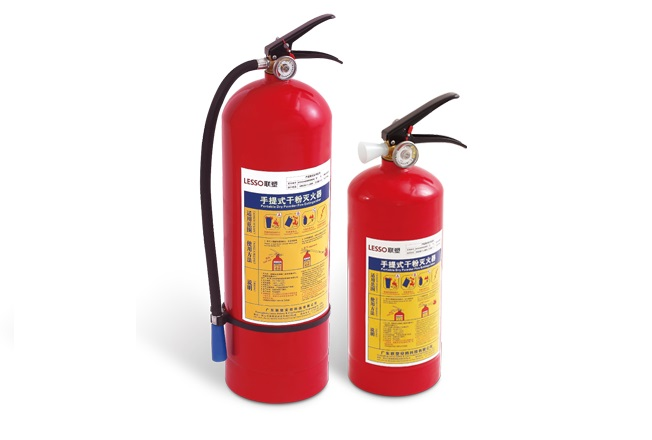
While less ideal than carbon dioxide, Class C-rated dry chemical portable fire extinguishers offer acceptable alternatives for electrical panel protection. These portable fire extinguisher types use non-conductive powders that suppress Class C fires effectively. However, dry chemical portable fire extinguishers create residue requiring extensive cleanup and potentially damaging delicate electronic components. For facilities where cost constraints make carbon dioxide portable fire extinguishers impractical, dry chemical portable fire extinguishers provide backup protection. Selection between carbon dioxide and dry chemical portable fire extinguishers should consider equipment sensitivity, cleanup tolerance, and budget availability.
Positioning and Accessibility Considerations
Effective electrical panel protection requires strategically positioned portable fire extinguishers accessible to trained personnel. Portable fire extinguisher placement near electrical panels enables rapid response when fires develop. Access routes to portable fire extinguishers must remain unobstructed, and signage must clearly identify equipment locations. Personnel must receive training on proper portable fire extinguisher usage and understand when electrical panel fires demand immediate evacuation rather than suppression attempts. Well-positioned portable fire extinguishers combined with trained personnel create layers of protection that maximize electrical panel fire safety.
Regulatory Compliance and Code Requirements
Building codes and electrical safety standards specify requirements for portable fire extinguisher provision near electrical panels. These regulations ensure facilities maintain appropriate portable fire extinguisher types matching electrical hazards. Compliance verification during inspections confirms that portable fire extinguishers meet specifications for Class C protection. Facilities must document portable fire extinguisher selection justifications and maintain evidence of compliance with applicable electrical fire safety codes. LESSO recommends consulting local fire marshals to verify that portable fire extinguisher selections satisfy all applicable electrical panel fire protection requirements.
Conclusion
Carbon dioxide portable fire extinguishers represent the optimal choice for protecting electrical panels due to non-conductive properties, effectiveness, and minimal equipment damage. When carbon dioxide portable fire extinguishers are unavailable, Class C-rated dry chemical portable fire extinguishers provide acceptable alternatives. Successful electrical panel fire safety requires selecting appropriate portable fire extinguisher types, positioning equipment strategically, training personnel thoroughly, and maintaining regulatory compliance. By investing in proper portable fire extinguishers specifically matched to electrical hazards, facilities protect both personnel and critical infrastructure while satisfying fire safety regulations and demonstrating commitment to emergency preparedness.
