









Sustainable practices are increasingly important for sanitary ware suppliers, helping reduce environmental impact while supporting long-term industry growth. Manufacturers like LESSO are committed to responsible sourcing, ensuring that their products meet both ecological and social standards. Understanding the key practices allows buyers and industry professionals to evaluate suppliers effectively.
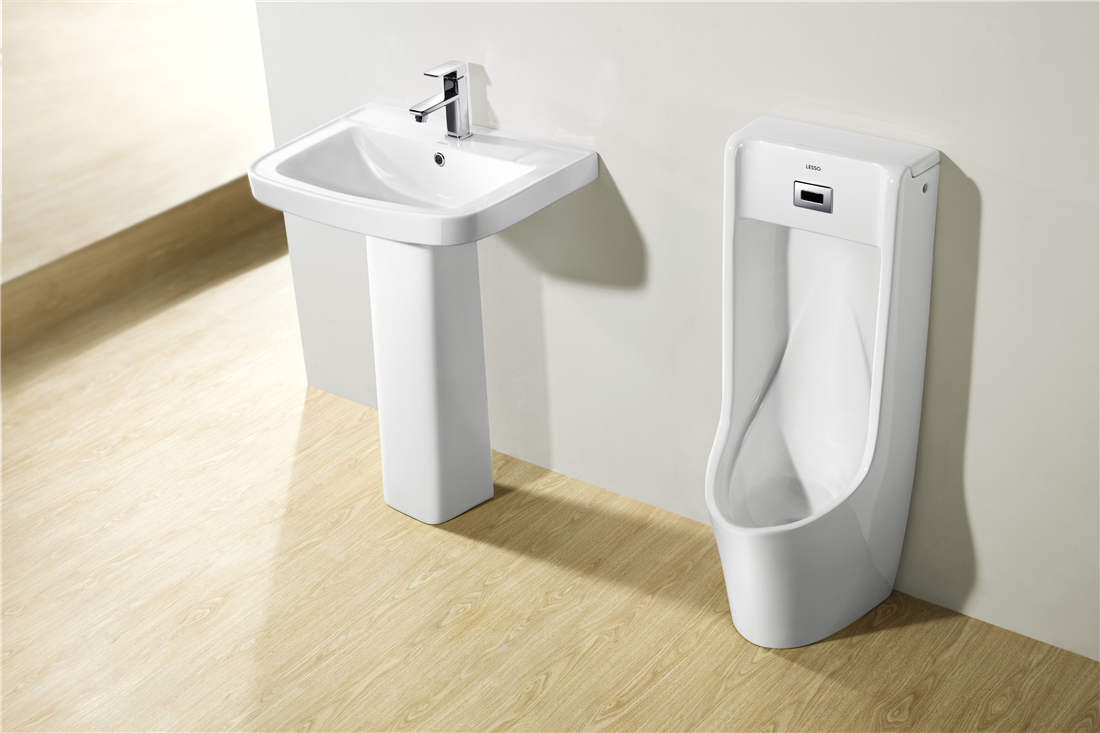
Use of Environmentally Friendly Materials
A critical practice for sanitary ware suppliers is sourcing materials that are non-toxic, recyclable, or sustainably produced. LESSO emphasizes the use of eco-friendly polymers, low-lead brass, and responsibly mined ceramics. These materials reduce harmful environmental effects while maintaining high product quality.
Energy-Efficient Manufacturing Processes
Sustainable sanitary ware suppliers implement energy-saving measures in production. LESSO employs energy-efficient kilns, automated processes, and waste heat recovery to minimize electricity and fuel consumption. Reducing energy use not only lowers carbon footprint but also enhances operational efficiency.
Water Conservation During Production
Water usage is a major concern for sanitary ware manufacturing. Sanitary ware suppliers like LESSO integrate water recycling systems and optimize washing and glazing processes to conserve water. Sustainable water management reduces strain on local resources and aligns with global environmental standards.
Ethical Labor and Supplier Oversight
Sustainable sourcing involves responsible labor practices. LESSO ensures fair wages, safe working conditions, and ethical treatment of workers across its supply chain. This approach supports social responsibility and strengthens supplier credibility for all stakeholders.
Compliance With International Standards
Sanitary ware suppliers must meet international environmental and safety standards, such as ISO 14001 for environmental management. LESSO provides certification and documentation to demonstrate compliance, giving buyers confidence in the sustainability of sourced products.
Lifecycle Considerations and End-of-Life Management
Sustainable practices also encompass product lifecycle management. LESSO designs sanitary ware suppliers' products for durability, easy maintenance, and recyclability, reducing waste over the long term. Planning for end-of-life disposal ensures materials are reused or recycled responsibly.
Conclusion
By using eco-friendly materials, implementing energy and water efficiency, maintaining ethical labor practices, ensuring compliance, and considering lifecycle management, sanitary ware suppliers can significantly reduce environmental impact. LESSO exemplifies these practices, providing sustainable products that align with modern industry standards and the growing demand for responsible sourcing.
