











Water leakage is a persistent nightmare for property owners. From basement seepage and roof leaks to damp walls and bathroom infiltration, moisture ingress compromises structural integrity and ruins interior finishes. Beyond aesthetic damage, persistent leaks foster mold growth and escalate maintenance costs.
To preserve a property’s value and safety, the key is: How to achieve building waterproofing? This guide explores essential strategies and high-performance waterproof materials for building to ensure a bone-dry, durable structure.
What is Building Waterproofing?
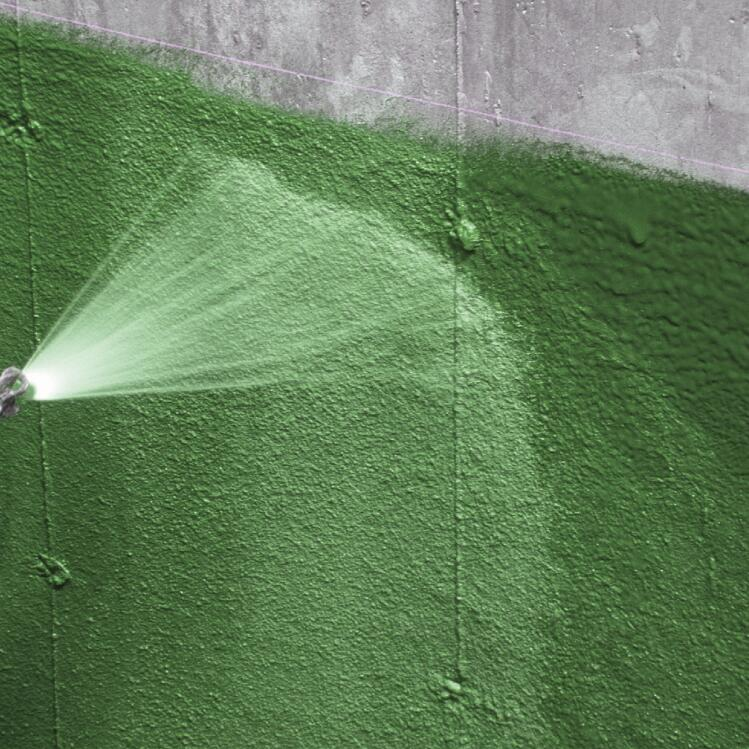
Building waterproofing is the formation of an impervious barrier over surfaces of foundations, roofs, walls, and other structural members. This process involves using specialized waterproofing membranes and coatings to prevent liquid water or moisture vapor from penetrating the building structure.
1. Areas Requiring Waterproofing
To achieve comprehensive protection, waterproofing buildings must be addressed in several critical zones:
l Roofs: The primary shield against rain and environmental elements.
l Bathrooms and Kitchens: High-moisture internal areas prone to plumbing leaks.
l Basements and Foundations: Vulnerable to hydrostatic pressure from groundwater.
l Exterior Walls: Exposed to driving rain and humidity.
l Balconies and Terraces: Areas where pooling water can seep into structural slabs.
l Water-Retaining Structures: Such as swimming pools and water tanks.
2. Why is Building Waterproofing Crucial?
Implementing professional waterproofing in building construction is not a luxury, but a necessity for the following reasons:
l Enhances Building Durability: Prevents the corrosion of steel reinforcement and the degradation of concrete.
l Maintains a Dry Indoor Environment: Eliminates dampness, which protects furniture and prevents respiratory issues caused by mold.
l Avoids Costly Repairs: Investing in a quality waterproof building material upfront is significantly cheaper than post-construction leak remediation.
l Improves Safety: Prevents structural weakening and electrical hazards caused by water contact with wiring.
How to Achieve Building Waterproofing?
Achieving effective building waterproofing requires a combination of correct design, such as proper grading and drainage, and the application of high-quality waterproof materials for building.
The two primary categories of materials used are coatings and sheet membranes.
1. Waterproofing Coatings
Coatings are liquid products applied by spray, roller, or trowel. They cure to form a seamless, elastic membrane that bonds directly to the substrate.
How They Work: The liquid material flows into pores and micro-cracks, creating a continuous barrier without seams. Modern coatings remain flexible to accommodate minor structural movement.
Best For: Complex surfaces with many details, pipes, or corners (like bathrooms and roofs with protrusions). Common coating types are:
l Cementitious Waterproofing: It can be mixed with cement in proportion to form a polymer-modified waterproof coating, suitable for waterproofing exterior walls on cement-based substrates.
l Ceramic Tile Adhesive: Can be directly applied to surfaces such as concrete, cement plaster, plastered brickwork, and certain waterproof coatings.
2. Waterproofing Sheet Membranes
For large-scale projects and high-stress environments, waterproofing sheet membranes are the preferred choice due to their uniform thickness and high durability.
These are pre-manufactured, flexible sheets or rolls made from materials like modified bitumen. They are adhered or mechanically fastened to the prepared surface.
How They Work: The sheets are laid in overlapping layers, creating a durable physical barrier.
Best For: Large, flat, or gently sloped surfaces like foundations, plaza decks, and roof terraces. They are a staple in commercial building waterproofing for their proven performance and thickness.
How to Maintain Waterproofing Layers?
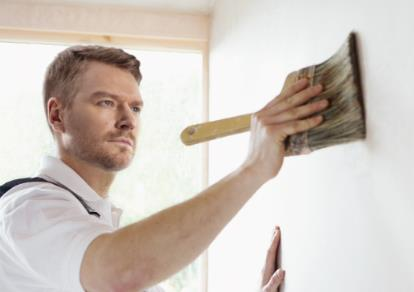
Even the best building waterproofing system requires periodic oversight to ensure its longevity. Maintenance is the key to avoiding "sudden" leaks that are actually the result of years of neglect.
1. Regularly Inspect Roofs, Terraces, and Drainage Systems
Debris, leaves, and silt can clog drains, causing water to pool. Stagnant water puts undue pressure on waterproofing buildings.
Conduct inspections twice every year, especially before and after the rainy season. Ensure that gutters and downpipes are clear so that water flows freely away from the foundation.
2. Early Detection of Cracks, Blisters, or Peeling
If you notice the waterproof materials for building starting to bubble or peel, it indicates that moisture has become trapped or the bond has failed. Small cracks in the coating should be sealed immediately to prevent water from reaching the deep structure.
3. When to Replace Waterproofing Layers?
Waterproofing in building construction systems has a lifespan, depending on the material used. Consult the manufacturer. If you experience recurring leaks despite localized repairs, or if the membrane has become brittle and lost its elasticity, it is time for a full replacement.
By selecting the right waterproof building material and following a rigorous maintenance schedule, you can protect your investment from water damage. Building waterproofing is an investment in the future of your structure, ensuring it is done right the first time.
Choose LESSO Building Waterproofing System
For a holistic and reliable solution, consider a dedicated system like LESSO’s. The approach using different waterproof materials for building can lead to compatibility issues and failure points. LESSO offers integrated building waterproofing systems.
The LESSO building waterproofing portfolio includes a range of high-performance waterproof building materials, from durable coatings to sheet membranes. Our systems are engineered for specific challenges, whether it’s a residential building needing years-long waterproof protection or a warehouse for product safety. For project planners and contractors, this means simplified specification, guaranteed material compatibility, and access to technical support.
Contact LESSO now if you have any building waterproofing needs!
