











Is your building's roof a source of worry? For certain temporary buildings, warehouses, or factories, traditional materials like traditional color steel tiles, zinc tiles, and aluminum tiles often bring heavy weight, leak risks, and maintenance challenges. It’s time to search for an innovative and cost-effective solution!
PVC roof sheet is a modern material engineered to solve these problems. What is PVC roofing exactly? It’s a specialized building material made from polyvinyl chloride resin, often reinforced with additives for strength.
This guide will explore its advantages, types, and applications for a wide range of projects. Read on to learn more.
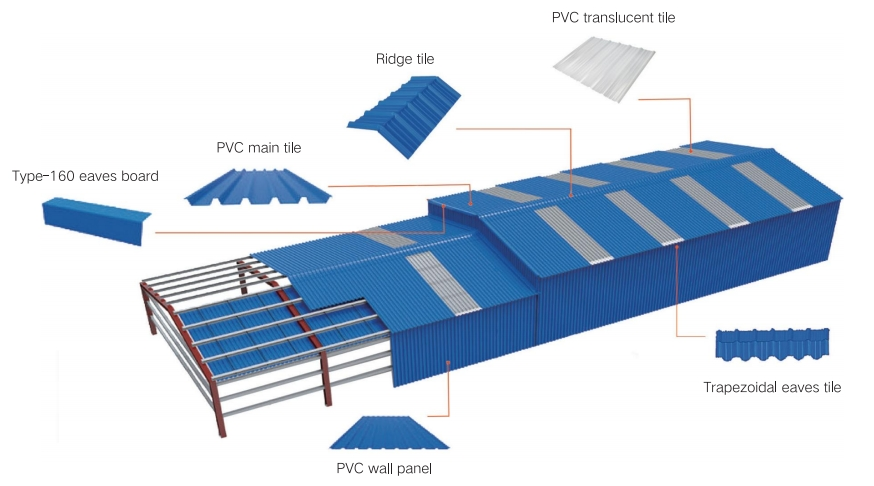
What are the Advantages of PVC Roof Sheets?
A PVC roof sheet is not just a plastic cover; it is a high-performance shield designed to last for decades. Here are the key benefits that make PVC sheet for roofing a preferred choice:
1. Lightweight and Durable
PVC roof sheets are significantly lighter than color steel tiles or zinc tiles alternatives, easing transportation and installation. It puts minimal stress on the building structure, which can save costs on steel framing.
Despite being light, they are incredibly tough. Reinforced with certain additives, these sheets resist tearing and puncturing, ensuring a lifespan of 15-20 years under proper maintenance.
2. Weather and Corrosion Resistant
Whether facing intense sun, heavy rain, salty coastal air, or industrial environments, PVC panel roof systems stand strong. They do not rust like metal or erode like some traditional tiles.
Their resistance to UV radiation means they won’t become brittle or fade easily, ensuring long-term performance and appearance.
All these make it applicable for areas prone to acidrain, chemical plants, mines, and coastal regions.
3. Waterproof and Fire Resistant
PVC roof sheets offer a non-porous surface that is 100% waterproof. The installation often involves tight overlapping or thermal sealing that prevents leaks far better than traditional nailed shingles.
Furthermore, safety is paramount. These sheets are typically flame-retardant (Oxygen index(OI)> 32), meaning they will not support combustion and will self-extinguish after moving the fire source.
4. Thermal Insulation
Heat transfer is a major issue in factories or warehouses. PVC roof sheets have low thermal conductivity. Those with a hollow structure design offer superior thermal insulation performance, providing a 10-15°C improvement in heat resistance compared to standard anti-corrosion tiles.
This means it acts as an insulator, keeping interiors warm in winter and cool in summer. This thermal efficiency can significantly reduce energy costs for air conditioning in large warehouses.
5. Aesthetic and Eco-Friendly
Modern PVC sheet for roofing comes in various vibrant colors and profiles that mimic traditional ceramic tiles, enhancing the building's look.
Additionally, they are environmentally friendly. High-quality PVC tiles are asbestos-free and do not release carcinogenic substances. And its long lifespan reduces the frequency of replacement and waste sent to landfills.
Types of PVC Roof Sheets
To choose the right PVC sheet for roofing, it is essential to understand the different structures available. Manufacturers have developed specific types of PVC panel roof designs to meet varying insulation and strength requirements.
1. Single-Layer PVC Roof Sheets
This is the most economical option. A single-layer PVC roof sheet is extruded as a solid body. It is lightweight, flexible, and excellent for simple waterproofing tasks like carports or temporary shelters.
It offers basic corrosion resistance and is best used in areas where high-level thermal insulation is not the primary concern.
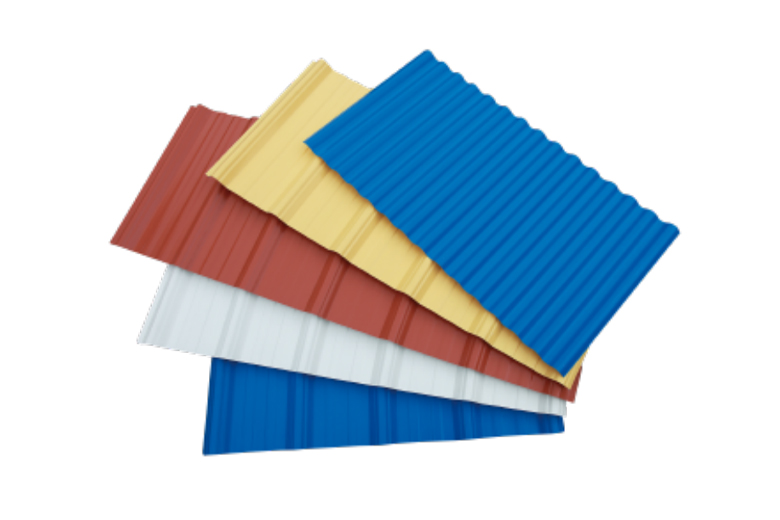
2. Composite PVC Roof Sheets
Also known as ASAPVC roof sheets, these are the industry standard for durability. They utilize multi-layer co-extrusion technology.
The top layer is typically ASA (Acrylonitrile Styrene Acrylate), a material famous for its ultra-high weather resistance. This ASA layer protects the underlying PVC roof sheet from UV radiation, preventing color fading and brittleness.
In addition, ASAPVC roof sheets also effectively absorb external noise and provide thermal insulation, electrical insulation, and fire resistance. They are free from asbestos or radioactive elements and are recyclable, meeting environmental protection requirements.
This type of PVC panel roof is ideal for permanent structures requiring a lifespan of up to 20 years.
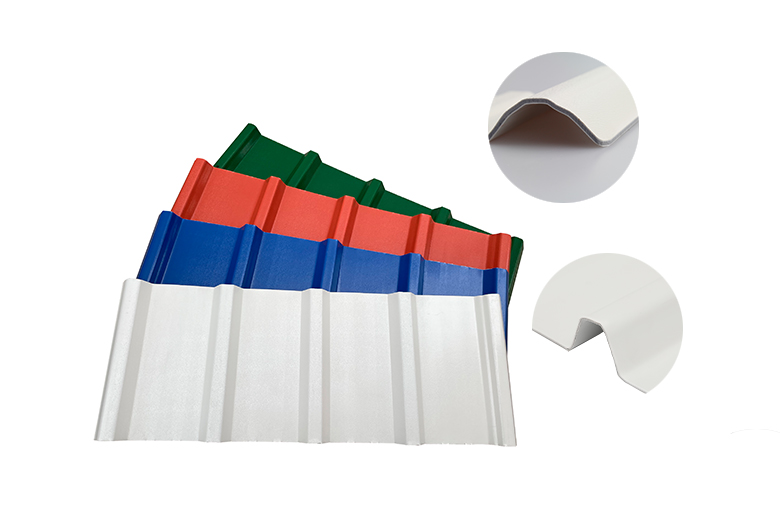
3. Hollow PVC Roof Sheets
For buildings where temperature control is critical, hollow PVC roof sheets are the superior choice.
These sheets feature a twin-wall or multi-wall structure with air gaps running through the middle. This "hollow" design acts as a thermal break, significantly reducing heat transmission.
A hollow PVC roof sheet also offers better sound insulation, dampening the noise of heavy rain much better than solid single-layer sheets.
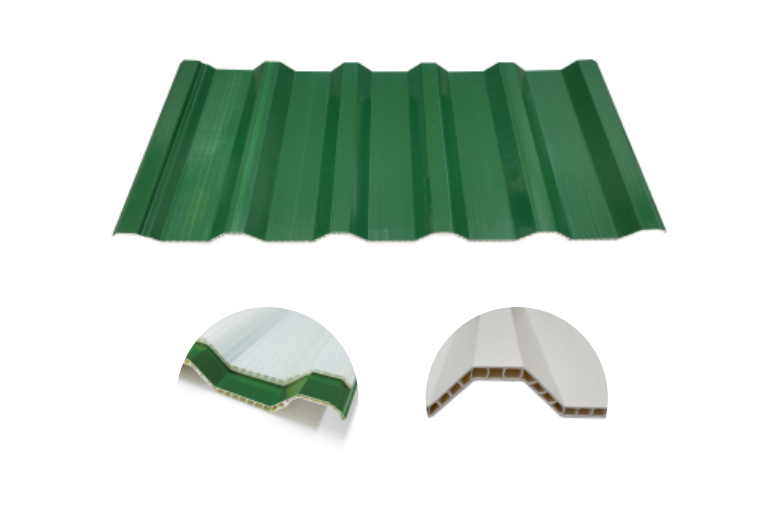
What is PVC Roofing Good for?
The versatility of the PVC roof sheet allows it to be used across a vast spectrum of architectural projects. From cozy homes to massive industrial complexes, here is how different sectors utilize this material.
1. Residential Buildings
Homeowners love the aesthetic versatility of PVC. They use PVC roof sheets for villas, self-built houses, and sloped roof extensions. They are perfect for patios, carports, and garden rooms, offering durability and style.
For sloped roofs, these sheets ensure water runs off instantly. These resin-coated PVC roof sheets can mimic the look of clay tiles or wooden shakes without the weight.
2. Commercial Buildings
In the retail and office sector, aesthetics and speed of installation are key. Commercial PVC roofing allows for rapid coverage of large shopping centers and markets.
Because the material is lightweight, it is also perfect for temporary structures or pop-up retail stores.
To maintain a hygienic and uniform appearance in wet areas like restaurant kitchens or public restrooms within these buildings, builders frequently install PVC ceiling tiles to resist humidity.
3. Industrial Buildings
This is the most common use case for the PVC roof sheet. Factories, especially those in chemical processing, electroplating, or ceramics, produce corrosive fumes that destroy common roofs in years.
The PVC roof sheet is chemical-resistant. Furthermore, their design helps insulate the factory, improving working conditions for employees during hot summers.
4. Farm Buildings
Barns, poultry sheds, and greenhouses use PVC roofing for its light transmission options, resistance to damp, and ease of cleaning, promoting a better environment for animals and produce. Its ease of cleaning ensures better hygiene for the animals.
5. Public Facilities
Schools, hospitals, sports complexes, and transportation hubs need safe, durable, and low-maintenance materials. PVC roof sheet systems meet these public-sector demands effectively.
6. Hotels and Resorts
Coastal resorts face the constant challenge of salty sea air. PVC roof sheets are not prone to rusting or degrading near the ocean. For seaside bungalows, the aesthetic of durable PVC roof sheets on top creates a resort environment that is immune to mold and salt corrosion, reducing maintenance for the hotel operators.
LESSO PVC Roof Sheets
When investing in a roofing system, brand reliability is crucial. LESSO is an experienced manufacturer of building materials. We offer a full range of PVC roof sheets, including single-layer, composite, and hollow roof sheets, as well as supporting lighting tiles.
They are rigorously tested for impact resistance, fire safety (B1 grade), insulation, and chemical stability. Whether you need a hollow PVC panel roof for a factory or a stylish resin tile for a villa, LESSO provides consistent quality. Our PVC roof sheet range offers exceptional UV protection, ensuring vibrant colors that last for decades.
Conclusion
The PVC roof sheet is a transformative material that solves the problems of rust, heat, and leakage. Whether for commercial PVC roofing or residential projects, its durability and efficiency are unmatched. Upgrade to LESSO’s PVC roof sheets today for a safer, longer-lasting, and more beautiful roof.
