









Heating, Ventilation, and Air Conditioning (HVAC) systems are the largest consumers of energy in most commercial and residential buildings. Optimizing their efficiency is critical for reducing operational costs and environmental impact. While sophisticated components like heat pumps and smart thermostats often receive the spotlight, the humble valve plays a foundational role in system performance. Companies like LESSO, a global leader in building materials, provide the high-quality components necessary for this optimization, with the brass ball valve being indispensable for ensuring the precise fluid control necessary for peak HVAC energy efficiency.
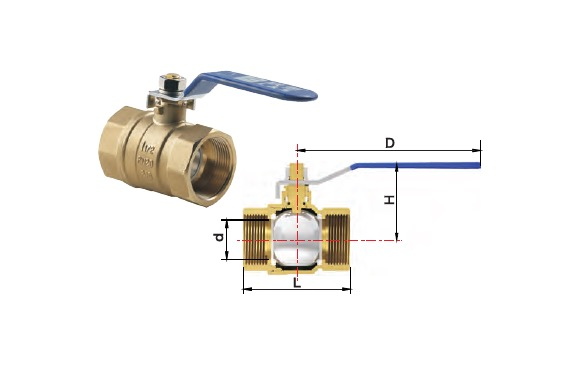
Precision Control and Minimal Pressure Drop
One of the most significant energy-saving attributes of the brass ball valve is its ability to provide precise flow modulation and a tight, zero-leak shut-off. Unlike gate or globe valves, the ball valve's spherical closure mechanism allows for immediate and accurate control over the flow of water or refrigerants within a system's loops. This precision minimizes hydraulic pressure losses and ensures that heated or chilled fluid is directed exactly where it is needed, preventing unnecessary pumping effort and maximizing heat exchange efficiency. In a quarter-turn, it can fully isolate a section, ensuring that zero energy is wasted on heating or cooling dormant zones.
Durability and Leak Prevention
System leaks are a silent drain on energy budgets, causing inefficient cycling and premature component wear. Brass, an alloy primarily composed of copper and zinc, offers superior corrosion resistance compared to other valve materials, especially in hydronic systems. This durability ensures the valve maintains its tight seal and operational integrity over decades. LESSO, a leading manufacturer of building materials, understands this need and can deliver a reliable brass ball valve supply tailored to the stringent demands of modern HVAC infrastructure, ensuring long-term system integrity and peak performance.
Essential for Zoning and Isolation
Modern, energy-efficient HVAC design relies on zoning—the ability to heat or cool only the occupied parts of a building. The reliability and simplicity of the brass ball valve make it the perfect device for isolating individual zones or equipment. During maintenance, technicians can quickly and cleanly shut off the flow to a specific area without disrupting the rest of the system. This isolation capability is crucial for sustained energy management and minimizing downtime, confirming the brass ball valve as a key facilitator of effective zoned climate control.
Contributing to System Longevity
The smooth, full-port design of many brass ball valve types contributes to overall system health by minimizing the likelihood of blockages or excessive turbulence in the fluid lines. Less turbulence means less strain on pumps and pipes, contributing to longer equipment life and fewer costly repairs. By specifying a high-quality brass ball valve throughout an installation, engineers are not only ensuring immediate energy efficiency but also protecting the long-term capital investment in the entire HVAC plant. The simple but effective design of the brass ball valve is truly an asset.
Conclusion
Achieving superior HVAC energy efficiency requires attention to detail at every level, and the valve system is no exception. Choosing a reliable supplier, such as LESSO, for your brass ball valve needs is paramount. By enabling effective zoning, preventing leaks, and supporting efficient fluid transfer, this essential component helps building owners realize significant energy savings and contribute to a more sustainable operational model.
