









Recharging a wheel fire extinguisher is a critical maintenance procedure that ensures readiness in case of emergencies. Unlike portable extinguishers, wheel-mounted units contain larger volumes of extinguishing agents and operate under higher pressures. Manufacturers like LESSO provide guidance and safety measures to ensure that recharging is performed safely, effectively, and in compliance with regulatory standards.
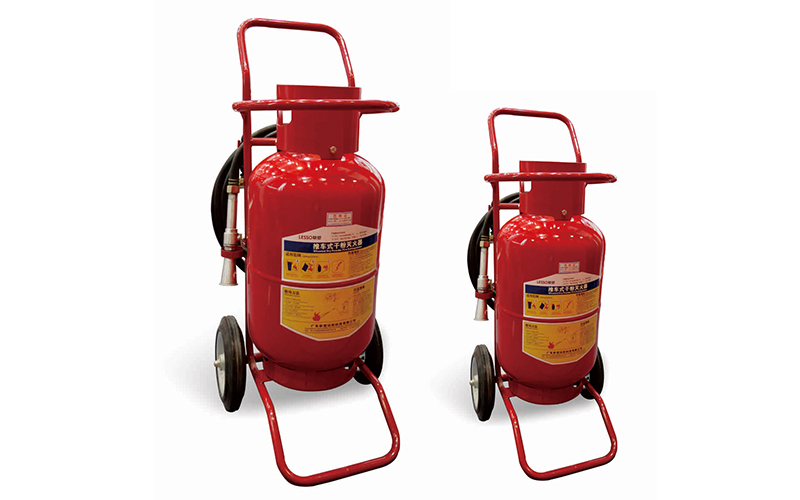
Understanding the Components of a Wheel Fire Extinguisher
Before initiating a recharge, technicians should be familiar with the wheel fire extinguisher components. These include the pressurized cylinder, valve assembly, discharge hose, wheel cart, pressure gauge, and agent storage chamber. LESSO designs these units with standardized fittings and robust safety features, but proper handling remains crucial to prevent accidents during recharging.
Pre-Recharge Inspection
Safety protocols begin with a thorough inspection. Technicians should check for physical damage, corrosion, leakage, and expired inspection tags. A faulty wheel fire extinguisher should be quarantined for repair rather than recharged. LESSO recommends verifying that pressure gauges are within safe ranges and that the unit’s seals and connections are intact before starting the recharge process.
Proper Discharge of Residual Pressure
Before recharging, any residual pressure or agent in the wheel fire extinguisher must be safely released. This prevents accidental discharge or over-pressurization during the refill. LESSO’s instructions emphasize controlled venting procedures using manufacturer-specified tools and protective equipment.
Use of Personal Protective Equipment (PPE)
Handling a wheel fire extinguisher involves working with high-pressure gas and chemical agents. Technicians must wear appropriate PPE, including gloves, safety goggles, and protective clothing. LESSO’s training materials highlight the importance of PPE to prevent chemical exposure, frostbite from compressed gases, and injuries from accidental release of pressure.
Correct Filling Procedures
Recharging a wheel fire extinguisher requires accurate measurement of the extinguishing agent. LESSO units typically include clear markings and specifications for weight or volume. The technician must also use approved refilling equipment to avoid contamination and ensure the correct concentration of the extinguishing chemical, whether it is dry powder, foam, CO2, or another agent.
Pressure Testing and Leak Detection
After refilling, the wheel fire extinguisher must be pressurized to the recommended operational level. LESSO recommends conducting a hydrostatic or pneumatic test to confirm cylinder integrity. All connections, hoses, and seals should be examined for leaks, using soapy water or other non-damaging detection methods. Proper pressure ensures the extinguisher will function correctly in emergencies.
Documentation and Tagging
Every recharge must be documented, including the date, type of agent used, technician information, and inspection results. A new service tag should be attached to the wheel fire extinguisher, indicating that it is fully operational. LESSO emphasizes keeping detailed records to comply with regulatory inspections and internal safety audits.
Storage and Handling Post-Recharge
Once recharged, the wheel fire extinguisher should be stored in a secure location, ready for deployment. LESSO units are designed for mobility and stability, but proper handling prevents tipping, damage, or accidental discharge. Positioning the extinguisher in designated fire safety zones ensures rapid access during an emergency.
Conclusion
Recharging a wheel fire extinguisher involves careful inspection, pressure management, use of PPE, precise refilling, pressure testing, and proper documentation. Following these safety protocols is essential to maintain operational readiness and protect personnel from injury. LESSO’s guidance and engineered features ensure that technicians can recharge wheel-mounted fire extinguishers safely, effectively, and in compliance with safety standards, providing reliable fire protection when it is most needed.
