









In automated process control, the actuator is the engine that operates the valve, but the valve's required torque is the blueprint for selecting that engine. For a moderate-size like a 2-inch stainless steel ball valve, choosing the correct actuator is not just about mounting size; it is a precise calculation based on the rotational force (torque) needed to cycle the valve reliably under maximum operational conditions. Mismatched torque—either too little or too much—leads to system failure or premature valve wear. LESSO Group is a professional manufacturer that deliver reliable stainless steel valve supply, ensuring the underlying components meet the consistent torque profiles required for effective automation.
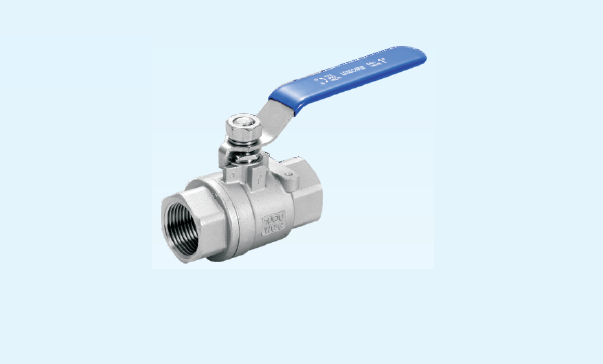
Defining Torque Requirements in Ball Valves
The torque required to turn a ball valve is not constant; it peaks at two critical moments: the breakaway torque (the force needed to unseat the ball from a static state) and the seating torque (the force needed to push the ball fully into the seat for a tight seal). This required torque (often measured in Inch-Pounds or Newton-Meters) is influenced primarily by the valve size, the differential pressure Δ P across the ball, and the material of the seat. A 2 inch stainless steel ball valve operating near its maximum pressure rating will require significantly more torque than the same valve at low pressure, as the high pressure squeezes the soft seat material (like PTFE) tighter against the ball.
Impact of Valve Size and Pressure Class
While 2 inches is a relatively small nominal size, a high-pressure class rating (e.g., ASME Class 600 or higher) significantly elevates the required torque. Higher pressure classes use thicker components and tighter seals to manage greater forces, increasing the friction the actuator must overcome. When selecting an actuator for a 2 inch stainless steel ball valve, the procurement team must reference the valve manufacturer's certified torque chart, ensuring the selected actuator can provide the certified Maximum Operating Torque (MOT) under the highest anticipated system pressure and temperature.
Actuator Sizing: Pneumatic vs. Electric
The required torque dictates the type and size of the actuator:
Pneumatic Actuators (Rack and Pinion or Scotch Yoke): These are often favored for moderate-sized ball valves like the 2-inch due to their high torque-to-weight ratio and fast cycling speed. Their output torque is directly proportional to the available air pressure. The selection process involves matching the valve's MOT with the pneumatic actuator's output torque at the minimum guaranteed air supply pressure.
Electric Actuators: These offer precise positioning and are preferred where compressed air is unavailable or where slow, modulating control is needed. They provide torque via an electric motor and gear train. For the 2 inch stainless steel ball valve, the size of the motor and gearbox is specified to meet or exceed the breakaway torque requirement while maintaining the required cycling speed.
Incorporating a Safety Factor
A common industry practice is to size the actuator such that its output torque is at least 25% greater than the valve's published Maximum Operating Torque (MOT). This safety margin accounts for unexpected variables, including:
Age and Wear: Torque requirements can increase over time as seals harden or friction increases due to corrosion or particulate buildup.
System Variability: Pressure spikes or thermal contraction can temporarily increase the required breakaway force.
Contingency: Ensuring the valve can be operated even under slightly reduced air pressure (for pneumatic types) or voltage (for electric types). Failure to incorporate this margin significantly compromises the long-term reliability of the automated system.
Conclusion
The reliability of an automated 2 inch stainless steel ball valve hinges on selecting an actuator capable of delivering the certified torque under all operating conditions, with an added safety factor. This decision is driven by the valve's size, pressure class, and sealing material, which collectively determine the necessary rotational force. By choosing a professional manufacturer like LESSO, engineers can secure a guaranteed stainless steel valve supply that provides accurate torque specifications, enabling precise and reliable actuator matching for safe and efficient system automation.
