









The function of all stainless steel check valves is simple: to prevent backflow. However, the two most common designs—the Lift Check and the Swing Check—achieve this goal through vastly different internal mechanics, leading to distinct fluid dynamic consequences. Choosing between them requires a deep understanding of pipeline orientation, acceptable pressure drop, and the cleanliness of the process media. LESSO Group is a professional manufacturer that deliver reliable stainless steel valve supply according to the needs and demands of applications requiring precise fluid isolation and dynamic control.
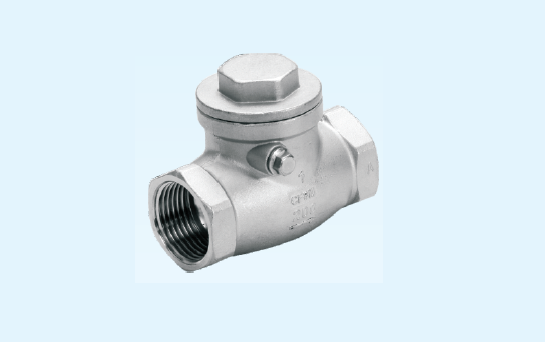
Operational Mechanism: Lift vs. Swing
The primary difference lies in how the internal element moves.
Swing Check Valve: Uses a hinged disc (or flapper) that swings open away from the seat ring when forward flow pressure is sufficient. When flow slows or reverses, the hinge allows the disc to fall back onto the seat.
Lift Check Valve: Uses a guided disc or piston that is lifted vertically off the seat by forward pressure. The disc returns to the seat via gravity and back pressure, moving linearly, perpendicular to the flow path.
Fluid Dynamics of the Swing Check Valve
The Swing Check valve is prized for its low resistance to flow. When fully open, the disc moves largely out of the fluid stream, creating a near straight-through flow path.
Low Pressure Drop: This geometry results in the lowest possible pressure drop Δ P among mechanical check valves, making the Swing Check ideal for high-flow, low-velocity applications where maintaining fluid efficiency is paramount.
Potential for Slamming: Because the disc has inertia and a relatively long travel distance, if the flow reverses abruptly, the disc can "slam" onto the seat, potentially causing water hammer. Modern stainless steel check valves of the swing type often use external damping or spring assistance to mitigate this.
Best for Horizontal Runs: Swing checks are traditionally best suited for horizontal pipe runs, although specific designs can accommodate vertical flow.
Fluid Dynamics of the Lift Check Valve
The Lift Check valve's fluid dynamics are characterized by its inherent resistance and vertical closure.
Higher Pressure Drop: As the fluid must flow around the lifted disc, the path is tortuous and highly turbulent. This results in a significantly higher Δ P compared to a Swing Check. This high-resistance design means the Lift Check is generally avoided in large-diameter, critical flow lines where energy efficiency is the priority.
Ideal for Pulsating Flow: The guided, piston-like movement of the disc makes the Lift Check highly effective in systems with pulsating or oscillating flow, such as those driven by reciprocating compressors or piston pumps. The disc's guidance mechanism prevents chatter and misalignment, offering stable operation where a Swing Check might fatigue.
Suitable for Vertical Installation: The vertical movement of the disc, which relies on gravity for closure, makes the Lift Check valve inherently reliable in vertical pipelines where flow is upward.
Handling Particulate and Viscous Media
The fluid dynamics of the two designs also dictate their suitability for different media cleanliness levels.
Swing Check: The hinge pin can be prone to jamming or clogging if the fluid contains high levels of sludge or stringy solids. If the disc can't swing completely shut, the valve will leak.
Lift Check: While the tortuous path of the Lift Check can sometimes cause fine solids to settle, its guided action is less prone to hinge fouling. For highly dirty or viscous fluids, however, specialized check valves (like the ball check) are generally preferred over either standard Lift or Swing designs. The stainless steel check valves material helps resist corrosion from the trapped media.
Conclusion
The choice between a Lift Check and a Swing Check stainless steel check valve is a trade-off between efficiency and stability. Choose the Swing Check for low Δ P, high-efficiency horizontal lines, where flow is relatively steady. Choose the Lift Check for pulsating flow, small-diameter lines, or vertical installations where the higher Δ P is acceptable in exchange for stability and reliable, guided closure. By partnering with a professional manufacturer like LESSO, engineers can secure a guaranteed stainless steel valve supply that provides the specialized check valve design necessary for their specific fluid dynamic requirements.
