









In pneumatic systems—those utilizing compressed air or gas—response time is a core element of efficiency and safety. When air supply is suddenly interrupted, any delay in check valve closure allows rapid decompression, leading to system downtime or safety risks. The stainless steel ball check valve offers a unique combination of speed and material durability, making it highly effective for preventing backflow in these applications. Its performance, however, depends less on the fluid's mass (as with liquids) and more on critical internal design elements like spring tension and ball mass. LESSO Group is a professional manufacturer that deliver reliable stainless steel valve supply according to the needs and demands of applications requiring stable, high-speed pneumatic control.
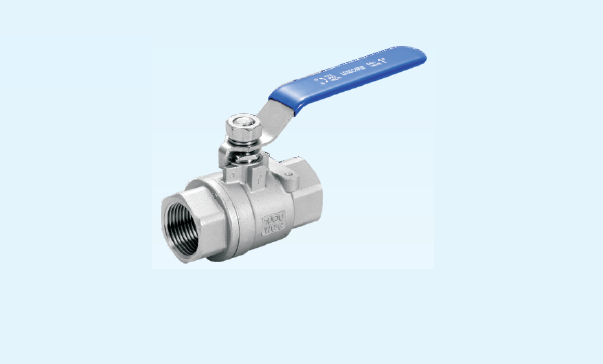
The Dynamics of Pneumatic Closure
In liquid systems, the inertia and weight of the reversing fluid column contribute significantly to pushing the check valve closed. In pneumatic systems, which handle highly compressible, low-density media, this inertial force is minimal. Instead, the closure of the stainless steel ball check valve is almost entirely reliant on two key factors: the differential pressure across the valve and the spring force (if spring-loaded). The valve must rely on the immediate loss of upstream pressure, combined with the spring's action, to seat the ball instantaneously before the gas can escape back into the low-pressure zone.
Factors Dictating Rapid Response Time
For high-speed pneumatic response, the design of the stainless steel ball check valve is optimized to minimize the two components that create delay:
Low Mass Ball: The physical mass of the stainless steel ball must be as low as possible to minimize inertia and allow the spring or pressure differential to accelerate it quickly onto the seat. A lighter ball moves faster and requires less force to achieve rapid closure.
Optimal Spring Loading: Many pneumatic ball check valves are spring-loaded rather than free-floating (gravity-dependent). The spring is calibrated to be stiff enough to push the ball onto the seat immediately upon pressure reversal, yet light enough to be overcome by the minimum forward operating pressure (known as the "cracking pressure").
This combination ensures milliseconds-fast sealing.
Preventing Air Loss and System Instability
In a pneumatic manifold, even a millisecond delay in valve closure can result in significant air loss, causing instability, chatter, and wasted energy. By employing a fast-response stainless steel ball check valve, system designers ensure that:
Pressure is Maintained: Air in the downstream system remains pressurized, ready for the next cycle, without requiring the compressor to immediately compensate for lost volume.
Elimination of Hammer/Surge: While water hammer is usually a liquid phenomenon, rapid closure in pneumatic lines can cause noise and stress. The quick, low-mass seating action of the ball check minimizes these pneumatic surges, protecting adjacent components like solenoids and regulators.
The Durability Advantage of Stainless Steel
Pneumatic systems often use non-lubricating air, and condensation can introduce moisture, posing a corrosion risk, especially in outdoor or high-humidity environments. The use of stainless steel ball check valve construction, typically Grade 316, provides necessary long-term reliability. Stainless steel resists the internal corrosion that could otherwise degrade the seating area or stick the ball, ensuring that the critical, fast response time remains consistent throughout the valve's operational lifespan, unaffected by rust or scale buildup.
Conclusion
The response time of a stainless steel ball check valve in pneumatic service is extremely fast, engineered to minimize inertia through low-mass ball design and accelerated by precisely calibrated spring tension. This rapid closure is essential for maintaining pressure equilibrium, preventing significant air loss, and ensuring system stability. By choosing a professional manufacturer like LESSO, users can secure a guaranteed stainless steel valve supply that is designed and tested for the high-speed, demanding requirements of modern industrial pneumatic and gas applications.
