









The stainless steel Y strainer is a passive yet essential component, acting as the final line of defense against pump, meter, and instrument damage. Its effectiveness hinges entirely on the integrity of its internal mesh screen. This mesh, while robustly constructed from stainless steel to resist corrosion, is susceptible to mechanical failure if not maintained correctly. Structural damage, such as tearing, deformation, or collapse, renders the strainer useless and puts expensive downstream equipment at risk. Mastering periodic maintenance—from blow-down procedures to physical cleaning—is vital for preserving the mesh structure. LESSO is a professional manufacturer that deliver reliable stainless steel valve supply and complementary components like strainers according to the rigorous needs and demands of industrial clients.
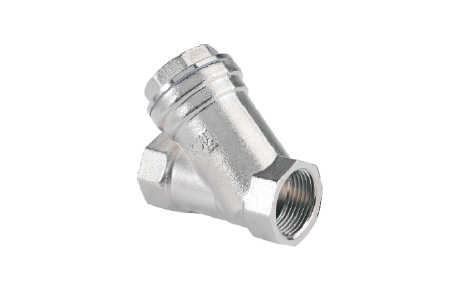
Understanding Mesh Vulnerability and Failure Modes
The primary function of the stainless steel Y strainer mesh is filtration, but this also means it collects debris, which creates mechanical stress. The most common causes of mesh failure are:
Excessive Differential Pressure: Allowing the strainer to clog completely can cause the pressure on the upstream side to drastically exceed the downstream pressure. This high differential pressure can physically collapse or tear the screen.
Improper Blow-Down Procedure: Rapidly opening the blow-off valve can create a sudden vacuum or pressure shock within the screen, causing damage.
Abrasive Cleaning Techniques: Using high-pressure cleaning tools or wire brushes during manual cleaning can permanently distort the fine wire mesh.
Strategy 1: Monitoring Differential Pressure
The most proactive method to prevent mesh collapse is to monitor the pressure differential Δ P across the strainer. A pressure gauge should be installed both upstream and downstream of the stainless steel Y strainer. As debris accumulates, the Δ P will increase. Maintenance protocols should establish a maximum Δ P (typically 5 to 10 PSI, or based on manufacturer specifications) that triggers a mandatory cleaning cycle. By adhering to this limit, operators ensure the screen never reaches a point where pressure forces exceed its structural limits.
Strategy 2: Executing a Controlled Blow-Down
A blow-down is a quick cleaning procedure performed while the system is operational. To prevent structural damage, the process must be controlled:
Do Not Open the Valve Quickly: Slowly open the blow-off valve (usually a ball valve or globe valve attached to the strainer leg). This gradual action allows the pressure to equalize slowly and the debris to be flushed out without creating damaging surges or vacuums inside the screen pocket.
Maintain Flow: Ensure process fluid flow is maintained while purging, using the fluid's kinetic energy to flush the solids effectively.
Inspect Effluent: Close the valve slowly once the effluent runs clear, confirming the removal of solids.
Strategy 3: Safe Physical Cleaning Procedures
When the Δ P limit is reached, the strainer must be isolated, depressurized, and the mesh physically removed. The key to preserving the mesh during manual cleaning is gentle handling:
Use Soft Tools Only: Clean the screen using warm water and a soft-bristled nylon or fiber brush. Avoid using metal tools, wire brushes, or high-pressure steam/water jets, as these can easily tear or distort the wire structure.
Check for Distortion: Before reinstallation, carefully inspect the screen for any signs of ripping, punctures, or permanent distortion of the mesh or support cage. A distorted mesh cannot effectively filter and must be replaced immediately.
Correct Reinstallation: Ensure the screen is correctly seated within the stainless steel Y strainer body before re-bolting the cover. Improper seating can expose the mesh to crushing forces when the cover is tightened, leading to immediate structural failure upon system startup.
Conclusion
Preserving the mesh of a stainless steel Y strainer is an essential part of equipment protection. It requires diligent monitoring of differential pressure to prevent collapse and disciplined use of controlled, slow blow-down procedures. When manual cleaning is necessary, employing soft tools and meticulous inspection prevents accidental damage. By adhering to these practices, users ensure the strainer maintains its filtering efficiency and maximizes the lifespan of critical downstream equipment. By relying on a professional manufacturer like LESSO, users can secure a guaranteed stainless steel valve supply and components engineered for durability and reliable long-term service.
