









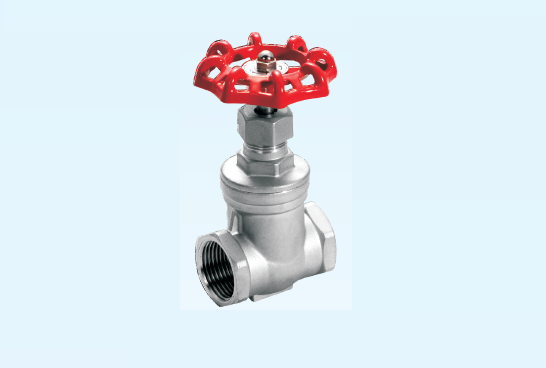
In high-pressure systems—such as those found in power generation, offshore oil and gas, or high-pressure chemical dosing—a valve's failure can have catastrophic safety and financial consequences. The stainless steel globe valve, often used for modulating and throttling flow in these extreme environments, must meet rigorous standards for structural integrity and sealing performance. Evaluating its reliability requires a comprehensive analysis that goes beyond simple pressure ratings, examining material quality, design standards, and intensive testing protocols. LESSO is a professional manufacturer that deliver reliable stainless steel valve supply according to the needs and demands of applications requiring stable performance under extreme pressure.
The Foundation: Pressure-Temperature (P/T) Ratings
The first step in evaluating a high-pressure stainless steel globe valve is mandatory verification against its Pressure-Temperature (P/T) rating chart. These charts, often mandated by ASME B16.34 or equivalent international codes, define the maximum allowable working pressure (MAWP) for the valve at specific operating temperatures. Crucially, as temperature increases, the tensile strength of the stainless steel decreases, significantly lowering the MAWP. A reliable valve must be selected so that its actual operating conditions fall safely within the limits defined by the manufacturer's P/T curve.
Assessing Structural Integrity and Material Grade
Reliability begins with the material. Stainless steel, particularly Grade 316, is chosen for its superior strength and resistance to stress corrosion cracking, which is accelerated under high pressure. Evaluation must confirm that the valve body casting is free of porosity, inclusions, or wall thickness variations that could act as stress risers and lead to rupture. Furthermore, the valve's pressure class rating (e.g., Class 600, 900, 1500) corresponds directly to its engineered wall thickness and flange/end design, ensuring it can withstand the physical force exerted by the high-pressure fluid on the valve body.
Hydrostatic Shell Testing for Leak Prevention
The primary test for structural integrity is the hydrostatic shell test. During this mandatory procedure, the stainless steel globe valve is completely closed, and the internal cavity is subjected to a pressure typically 1.5 times the maximum cold working pressure (CWP). The test fluid (usually water) is held at this extreme pressure for a specified duration to check for any through-wall leaks or structural distortion in the body and bonnet assembly. A valve only passes if there is zero leakage, confirming the reliability of the metal structure against static, extreme pressure loads.
Cyclic and Seat Leakage Performance
Reliability is not just about static strength; it's about performance over time. High-pressure service often involves thermal cycling (temperature changes) and pressure cycling (pressure variations). Manufacturers conduct cyclic testing to simulate years of service, ensuring the valve maintains its integrity and operational smoothness. Additionally, the seat leakage test is critical: after being subjected to the high-pressure environment, the valve must be tested for leakage across the seat (the point where the disc meets the body). High-quality stainless steel globe valve components must achieve a strict shut-off class (e.g., API 598 or FCI 70-2 Class VI), proving their reliable sealing ability under load.
Evaluating Stem and Bonnet Sealing (Packing)
Under extreme pressure, the forces attempting to push fluid out along the stem (the dynamic seal) are immense. The reliability of the valve is often limited by its stem packing system. Evaluation must confirm the use of high-integrity, high-pressure packing materials, such as braided graphite or specialized polymeric compounds, housed within a deep stuffing box. The bonnet design must also provide sufficient compressive load to the packing set to maintain a zero-fugitive-emission seal, even during rapid throttling or frequent operation.
Conclusion
Evaluating the reliability of a stainless steel globe valve under extreme pressure requires confirmation of ASME/API code compliance, rigorous hydrostatic testing of the shell, and demonstrated performance in cyclic and seat leakage tests. Reliability is ultimately defined by the valve's P/T rating and the durability of its internal components against both static and dynamic forces. By partnering with a professional manufacturer like LESSO, engineers can secure a guaranteed stainless steel valve supply that has been meticulously engineered and tested to deliver safe, reliable flow control in the most demanding high-pressure energy systems.
