









Solar energy facilities present unique fire suppression challenges that differ significantly from conventional industrial environments. These installations combine electrical hazards, battery storage systems, and mechanical equipment requiring specialized portable fire extinguisher selections that address multiple fire classes simultaneously. Selecting an inappropriate portable fire extinguisher for solar facilities can prove ineffective or dangerous, potentially exacerbating fires rather than containing them. Understanding the specific hazards present in solar installations enables facility managers to specify portable fire extinguisher equipment optimally suited for complex operating environments. LESSO has developed comprehensive guidance on portable fire extinguisher selection for solar facilities, recognizing that renewable energy installations demand specialized fire safety knowledge that general contractors often lack.
Understanding Solar Facility Fire Hazards
Solar energy facilities combine electrical systems, inverters, battery storage, and mechanical components that present diverse fire risks. A portable fire extinguisher suitable for protecting solar installations must address Class A fires involving structural materials, Class B fires from flammable liquids, and Class C fires from electrical equipment. Battery storage systems—increasingly common in solar facilities—introduce additional hazards requiring portable fire extinguisher agents compatible with lithium-ion or other battery chemistries. Understanding these complex hazards is essential before specifying portable fire extinguisher equipment. LESSO recommends comprehensive facility assessments identifying all potential fire scenarios before selecting portable fire extinguisher types. This detailed analysis prevents inadequate equipment deployment in environments with complex hazard profiles.
Carbon Dioxide for Electrical Component Protection
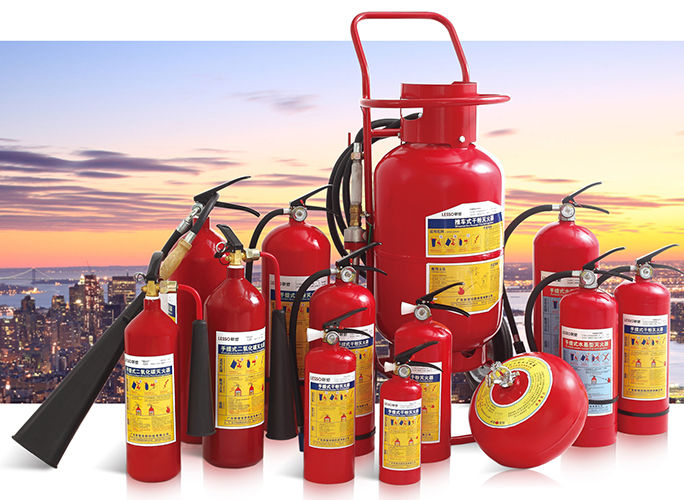
Carbon dioxide-based portable fire extinguisher systems prove superior for protecting sensitive electrical equipment common in solar installations. A portable fire extinguisher using carbon dioxide suppresses Class C electrical fires without leaving conductive residue that damages electronics. The non-conductive properties of carbon dioxide make a portable fire extinguisher ideal for inverters, control systems, and monitoring equipment throughout solar facilities. However, carbon dioxide portable fire extinguisher capacity limitations require larger physical units to achieve adequate suppression volume. Facilities prioritizing electrical equipment protection often select carbon dioxide portable fire extinguisher systems despite size considerations. LESSO manufactures heavy-duty carbon dioxide portable fire extinguisher units optimized for solar facility electrical protection requirements.
Dry Powder Agents for Multipurpose Coverage
Multipurpose dry chemical powder formulations offer versatile portable fire extinguisher options addressing multiple fire classes common in solar environments. A portable fire extinguisher using ABC-rated dry powder suppresses Class A, B, and C fires effectively, providing comprehensive protection across diverse solar facility hazards. Dry powder portable fire extinguisher agents work through chemical reaction interruption, extinguishing fires across multiple material classes. The residue produced by dry powder portable fire extinguishers requires cleanup but presents minimal corrosion risk to solar equipment. LESSO's multipurpose portable fire extinguisher systems combining dry powder agents deliver broad protection suitable for solar installations with varied hazard profiles.
Water-Based Systems for Structural Fire Protection
Water-based foam portable fire extinguisher systems provide effective protection for structural components and non-electronic materials in solar facilities. A portable fire extinguisher using aqueous film-forming foam (AFFF) suppresses Class A and B fires effectively while remaining safe for electrical equipment at safe distances. Water-based portable fire extinguisher agents prove particularly effective for protecting solar panel structures and support equipment. However, water-based portable fire extinguisher agents should not be applied directly to active electrical systems due to conductivity risks. LESSO recommends strategic placement of water-based portable fire extinguishers in solar facilities for structural protection while maintaining carbon dioxide or dry powder alternatives for electrical hazards.
Battery Storage System Considerations
Modern solar facilities increasingly incorporate battery energy storage systems requiring specialized portable fire extinguisher specifications. Lithium-ion battery fires present unusual challenges that standard portable fire extinguisher agents may not suppress effectively. Facilities with battery storage must ensure portable fire extinguisher agents are compatible with battery chemistry and capable of suppressing thermal runaway events. Professional consultation with battery manufacturers helps identify appropriate portable fire extinguisher types for specific battery storage installations. LESSO assists solar facility managers in evaluating battery storage requirements and specifying portable fire extinguishers compatible with installed battery systems.
Positioning and Accessibility in Solar Environments
Strategic positioning of portable fire extinguishers throughout solar facilities ensures rapid access during emergencies. A portable fire extinguisher must be located near electrical equipment, inverter areas, and battery storage zones where fires most likely develop. Solar facility design often includes remote equipment locations requiring portable fire extinguishers positioned for accessibility to maintenance personnel. Clear signage and unobstructed access paths ensure that portable fire extinguishers can be retrieved quickly during emergencies. LESSO recommends comprehensive facility assessments that identify optimal portable fire extinguisher placement accounting for solar installation layout and equipment distribution.
Conclusion
Selecting appropriate portable fire extinguishers for solar energy facilities requires understanding unique hazards combining electrical, chemical, and structural fire risks. LESSO's comprehensive portable fire extinguisher guidance helps solar facility managers specify equipment addressing complex hazard profiles through strategic multipurpose deployments. By combining carbon dioxide systems for electrical protection, dry powder agents for multipurpose coverage, and water-based equipment for structural fires, solar facilities achieve comprehensive fire safety. Organizations prioritizing specialized portable fire extinguisher selection for solar installations ensure regulatory compliance while protecting valuable renewable energy assets from catastrophic fire damage.
