









Noise control represents an important consideration in facility design, directly affecting worker productivity and comfort. Traditional metal roof systems amplify rain and hail noise creating disruptive acoustic environments inside buildings. Modern UPVC roof sheet materials provide superior sound dampening compared to reflective metal alternatives. Understanding acoustic performance differences between UPVC roof sheet and metal roofing reveals significant benefits for industrial and commercial applications. LESSO manufactures premium UPVC roof sheet products engineered for acoustic performance, delivering roofing solutions that reduce interior noise while maintaining thermal efficiency and durability.
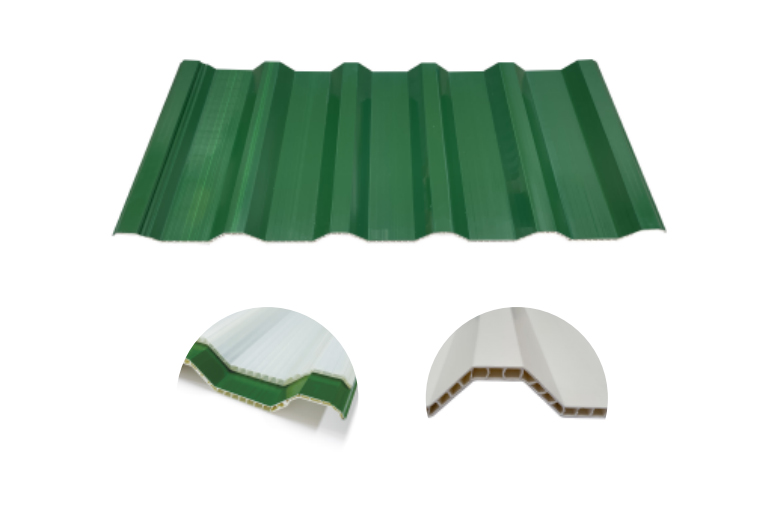
Sound Absorption and Noise Reduction
UPVC roof sheet materials naturally absorb sound energy rather than reflecting noise like metal surfaces. Rain impact on UPVC roof sheet generates significantly lower noise levels compared to metal roofing amplifying precipitation sounds. Industrial facilities with UPVC roof sheet installations experience 20-30 decibel noise reductions compared to metal roof systems. The acoustic absorption properties of UPVC roof sheet create quieter interior environments improving workplace comfort. LESSO's UPVC roof sheet products incorporate material formulations optimized for acoustic performance throughout operational conditions.
Rain and Hail Noise Suppression
Heavy rainfall creates pronounced noise in metal roof systems as precipitation impacts reflective surfaces. UPVC roof sheet installations dampen rain sounds significantly, maintaining interior acoustics even during severe storms. Hail impacts produce extreme noise in metal roof systems disrupting facility operations and worker concentration. UPVC roof sheet materials absorb hail impact energy reducing noise generation substantially. The acoustic advantage of UPVC roof sheet proves particularly valuable in locations experiencing frequent precipitation events.
Industrial Equipment Vibration Isolation
Metal roof systems transmit vibration from external sources directly into buildings creating interior noise problems. UPVC roof sheet materials dampen vibration transmission providing acoustic isolation superior to metal alternatives. External noise sources, including wind, traffic, and aircraft noise, penetrate less effectively through UPVC roof sheet barriers. The vibration-dampening properties of UPVC roof sheet create more serene interior environments.
Mechanical System Integration Benefits
UPVC roof sheet installations complement mechanical noise control systems more effectively than reflective metal roofing. Acoustic treatments applied to UPVC roof sheet surfaces enhance sound absorption beyond base material capabilities. Integrated acoustic systems utilizing UPVC roof sheet foundation provide superior overall noise control compared to metal roof alternatives. LESSO's UPVC roof sheet products serve as a foundation for comprehensive acoustic management strategies.
Thermal and Acoustic Synergy
UPVC roof sheet materials provide combined thermal and acoustic benefits unavailable in metal roof systems. Superior insulation properties of UPVC roof sheet reduce HVAC system noise while improving energy efficiency. Integrated thermal-acoustic performance of UPVC roof sheet creates optimal interior environments supporting productivity and comfort. This dual benefit approach to UPVC roof sheet selection delivers comprehensive environmental improvements.
Conclusion
UPVC roof sheet materials significantly outperform metal roofing in acoustic performance through superior sound absorption and noise reduction. LESSO's premium UPVC roof sheet products deliver quieter industrial and commercial environments while maintaining thermal and durability advantages. By selecting acoustic-optimized UPVC roof sheet from LESSO, facility operators create more productive workspaces with superior environmental quality throughout extended service life.
