









In industrial and process piping, especially where fluids exceed 300℉ or operate under continuous thermal cycling, material selection becomes the most critical factor for safety and operational lifespan. While brass is suitable for moderate temperatures, the robust stainless steel ball valve is mandatory for high-temperature applications found in chemical plants, steam lines, or refineries. Selecting the correct stainless steel valve is not simply about choosing the material; it requires a detailed analysis of specific material grades, internal seals, and pressure-temperature limitations. LESSO is a professional manufacturer that deliver reliable stainless steel valve supply according to the rigorous needs and demands of these extreme environments.
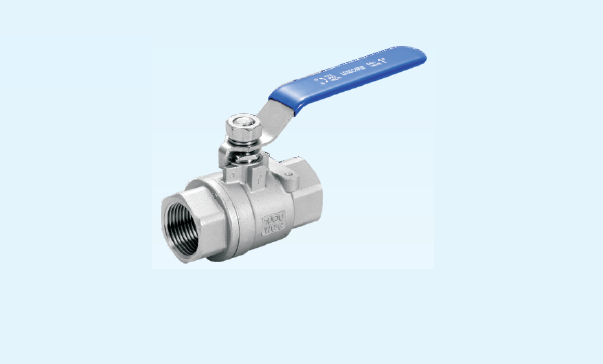
The Critical Choice of Stainless Steel Grade
The first step in high-temperature selection is defining the correct stainless steel grade. Grade 304 stainless steel is generally adequate for basic, non-corrosive high-heat applications. However, for corrosive high-temperature fluids (e.g., hot brines, certain acids, or high-chloride environments), Grade 316 stainless steel is overwhelmingly preferred. The inclusion of Molybdenum in 316 SS provides superior resistance to pitting and crevice corrosion, which are significantly accelerated by heat. This resistance is crucial because material failure in a high-temperature stainless steel ball valve can lead to dangerous pressure leaks.
Understanding Seat and Seal Limitations
The limiting factor in any stainless steel ball valve designed for high temperature is rarely the metal body itself, but the soft seats and seals (packings and gaskets) surrounding the ball. Standard Polytetrafluoroethylene (PTFE) seats typically fail above. Therefore, for hotter applications, engineers must specify specialty materials:
Reinforced PTFE (RTFE): Offers slightly higher temperature ratings.
Metal Seats: For steam or fluids above 600℉, metal-seated stainless steel ball valve products are required. These are far more expensive but necessary for survival in extreme thermal conditions.
Verifying Pressure-Temperature (P/T) Ratings
It is imperative that the final selection hinges on the manufacturer's Pressure-Temperature (P/T) rating chart. While a valve might be rated for 1000 PSI at ambient temperature, its maximum allowable working pressure (MAWP) drastically decreases as the temperature rises. This reduction is primarily due to the weakening of the sealing materials and the slight reduction in the tensile strength of the metal. Always confirm that the selected stainless steel ball valve is certified to handle the system's maximum temperature at its maximum operating pressure, ensuring a safe operational margin.
Design Considerations: End Connections and Stem Packing
For high-temperature lines, the method of connecting the valve is also critical for longevity. Threaded connections are often discouraged in favor of socket-weld or flanged connections, as temperature cycling can cause threaded joints to loosen over time. Furthermore, the stem packing—which prevents fluid from leaking out around the stem—must be graphite or specialized high-temperature polymer, ensuring reliability and minimizing volatile emissions under heat. Selecting a stainless steel ball valve with fire-safe certification (API 607) is also prudent for hydrocarbons, adding another layer of safety.
Conclusion
Selecting the right stainless steel ball valve for high-temperature fluids requires a comprehensive approach, prioritizing the correct grade (often 316 SS), specifying high-performance seats (like PEEK or metal), and strictly adhering to the P/T rating charts. Failure to account for these details can result in dangerous, costly system failures. LESSO is a professional manufacturer that deliver stainless steel valve supplies tailored to these critical needs, providing the confidence that your components are engineered for maximum reliability in the most challenging thermal and pressure conditions.
