









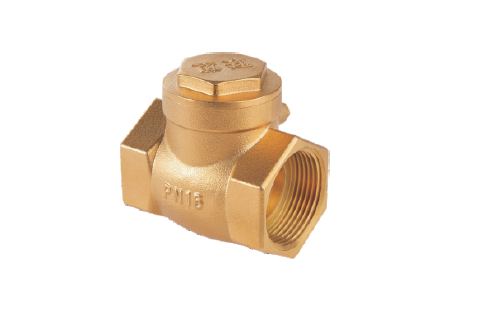
Selecting the appropriate brass stop valve for utility line applications is fundamental to ensuring reliable water service, system control, and operational efficiency. Undersized brass stop valve installations create excessive pressure drop and restrict water flow, while oversized alternatives waste space and increase costs unnecessarily. The correct size brass stop valve balances hydraulic performance requirements with practical installation constraints and budget considerations. Proper brass stop valve sizing requires understanding flow rates, pressure conditions, and connection standards specific to each utility line application. LESSO has established itself as a trusted brass valve supplier capable of delivering brass stop valve solutions precisely matched to individual utility line requirements, ensuring customers receive optimal equipment for their specific applications.
Understanding Utility Line Flow Requirements
Determining the appropriate brass stop valve size begins with calculating expected flow rates through utility lines. The correct brass stop valve must accommodate peak water demand without creating problematic pressure losses across the valve itself. Professional engineers calculate brass stop valve requirements based on downstream fixture count, simultaneous usage patterns, and consumption projections. Undersized brass stop valve installations create bottlenecks that restrict service to connected facilities and generate excessive pressure drop. LESSO's experienced brass valve supply team helps customers analyze flow requirements and specify brass stop valve sizes that deliver adequate capacity while maintaining system pressure. Understanding these hydraulic principles enables the selection of brass stop valve equipment optimized for specific utility applications.
Pressure Rating and Operating Conditions
Every brass stop valve operates within specific pressure rating ranges established by manufacturing standards and regulatory codes. The correct brass stop valve must be rated for maximum pressures anticipated in utility line systems. Professional specification of brass stop valve equipment requires identifying operating pressures, pressure surges, and transient conditions that affect equipment selection. LESSO's comprehensive brass valve supply includes products rated across diverse pressure ranges, enabling customers to select brass stop valve equipment appropriate for specific utility operating conditions. Matching brass stop valve pressure ratings to actual system requirements ensures reliability and regulatory compliance.
Connection Size and Thread Standards
Proper brass stop valve sizing includes matching connection sizes to existing utility line plumbing. The correct brass stop valve must feature threaded connections compatible with supply line diameters. Standard brass stop valve thread types include NPT (National Pipe Thread) and BSP (British Standard Pipe) configurations that vary geographically. Mismatched connection sizes require expensive adapters that increase installation complexity and create leak risks. LESSO delivers brass valve supply in multiple connection sizes and thread standards, ensuring customers can source brass stop valve equipment matching existing infrastructure. This comprehensive brass valve supply approach eliminates compatibility issues.
Material Grade and Construction Quality
Industrial-grade brass stop valve selections require evaluating material composition and manufacturing quality to ensure longevity. The correct brass stop valve must resist corrosion from prolonged contact with flowing water while maintaining mechanical integrity under pressure. Premium brass stop valve equipment incorporates high-quality brass alloys, precision-engineered internals, and durable sealing materials. Budget brass stop valve alternatives often incorporate inferior materials prone to corrosion and seal degradation. LESSO's brass valve supply emphasizes quality construction, offering brass stop valve products engineered for extended service life in demanding utility environments. This commitment to quality distinguishes LESSO as a preferred brass valve supplier.
Valve Type Selection for Specific Applications
Different brass stop valve designs serve distinct utility applications and operational requirements. Ball-type brass stop valve designs provide excellent on-off control with minimal pressure drop, suitable for primary utility shutoffs. Gate-type brass stop valve configurations deliver superior flow characteristics when valves remain fully open. The correct brass stop valve type depends on whether primary shutoff, service regulation, or specific flow control functions are required. LESSO's comprehensive brass valve supply includes multiple brass stop valve designs, enabling customers to select equipment perfectly matched to specific utility functions. This diverse product portfolio ensures customers can source appropriate brass stop valve types for any application.
Conclusion
Selecting the correct size brass stop valve requires careful evaluation of flow requirements, pressure ratings, connection standards, material quality, and valve type. LESSO, as a dedicated brass valve supplier, delivers brass stop valve solutions precisely calibrated to individual utility line requirements and operating conditions. By partnering with LESSO for comprehensive brass valve supply, facility managers ensure installations feature appropriately sized brass stop valve equipment optimized for reliable performance. LESSO's commitment to understanding customer needs and delivering tailored brass valve supply solutions positions the company as the ideal partner for utilities seeking brass stop valve equipment that delivers performance, reliability, and longevity throughout service life.
