









When dealing with complex piping systems in mechanical rooms, ceiling plenums, or utility closets, space is often the most valuable and limited commodity. While the brass gate valve is essential for pipeline isolation, its traditional design can present a challenge due to the stem's vertical movement. The non-rising stem (NRS) design specifically addresses this spatial constraint, making it the optimal choice for installations where overhead clearance is minimal. This design modification allows engineers to place isolation points exactly where they are needed without sacrificing accessibility or flow capacity. Manufacturers like LESSO recognize these installation challenges and can deliver a dependable brass valve supply tailored for compact, efficient system layouts.
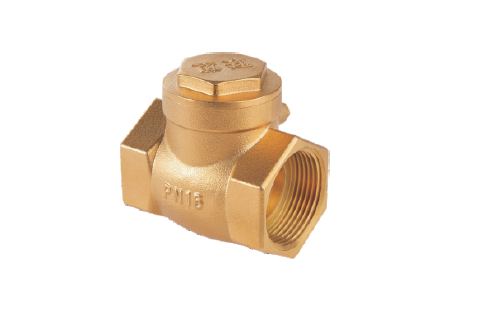
The Fundamental Design Advantage
The primary distinction between a standard gate valve and a non-rising stem valve is the mechanism used to lift the gate. In a standard (rising stem) gate valve, the gate and the stem move vertically together, requiring vertical clearance above the handwheel equal to the diameter of the valve. In contrast, the non-rising stem design incorporates the threading directly into the gate, which screws up or down along a stationary stem housed inside the valve body. This means the overall height of the brass gate valve remains constant whether it is fully open or fully closed, eliminating the need for extra vertical space.
Ideal Applications for Confined Areas
The non-rising stem design is critical for several common scenarios where space is highly restricted. These include installations within suspended ceiling voids, inside equipment enclosures, in tightly packed manifold systems, or behind access panels in finished walls. Using a standard valve in these locations would require engineers to build unnecessary bulkheads or move adjacent piping, complicating the system design. By allowing a compact profile, the non-rising stem brass gate valve enables cleaner, more economical installations without compromising the valve's primary function of zero-impedance pipeline isolation.
Maintenance and Operational Considerations
While the non-rising stem offers superior space savings, it does require careful consideration regarding maintenance. Because the stem threads are submerged within the fluid, they are continuously exposed to the flow media. This necessitates a durable material like brass to resist corrosion and wear, ensuring the internal mechanism remains operational over time. The external components, such as the packing gland, are still easily accessible for tightening, making the maintenance profile of the brass gate valve manageable even when located in a tight space.
Why Brass is the Preferred NRS Material
Brass offers the perfect balance of cost, machinability, and corrosion resistance for the NRS design. The alloy ensures that the internal threads, which are continuously in contact with water or fluid, remain smooth and functional. Furthermore, the inherent strength of brass allows the valve body to withstand the necessary operational pressures without the excessive weight associated with steel. This combination of material integrity and compact design reinforces the non-rising stem brass gate valve as the most practical choice for space-constrained residential and commercial applications.
Conclusion
Yes, the non-rising stem brass gate valve is not just suitable but often the optimal choice for installations in limited space, thanks to its specialized design that maintains a fixed height regardless of valve position. This feature is vital for complex building systems where minimizing physical footprint is essential for cost and efficiency. By choosing a quality supplier like LESSO, which can deliver a comprehensive brass valve supply, you secure components that ensure reliability, durability, and compliance, even in the tightest mechanical environments.
