









When designing a robust fluid control system, one of the most crucial decisions is selecting the right valve material. The question of lifespan often boils down to a direct comparison: the highly durable, general-purpose brass ball valve versus the specialized, rugged performance of stainless steel. While stainless steel typically offers a longer operational life in the harshest environments, the brass ball valve provides superior longevity and value in the majority of standard residential and commercial applications. Understanding these material properties is essential for maximizing system efficiency and minimizing replacement costs. Suppliers like LESSO specialize in quality assurance and can deliver a consistent brass valve supply tailored to various operational needs.
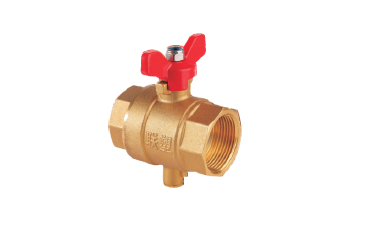
The Durability Profile of the Brass Ball Valve
Brass, an alloy of copper and zinc, is fundamentally a strong and reliable material for ball valve construction. Its primary advantage in terms of lifespan is its exceptional resistance to corrosion from water, especially common potable water and low-pressure utility fluids. A high-quality brass ball valve can easily last 20 to 30 years in non-corrosive environments like domestic plumbing, heating, and air conditioning (HVAC). This longevity is coupled with its low maintenance profile and cost-effectiveness, making it the default choice where the fluid is benign and the pressure is moderate.
Where Stainless Steel Excels in Longevity
Stainless steel (SS), particularly 304 or 316 grade, is engineered for extreme conditions where brass would fail prematurely. Stainless steel is resistant to stress corrosion cracking, high levels of chlorides, and highly acidic or alkaline process chemicals. In environments involving extremely high temperatures, high pressure (over 300 psi), or aggressive media found in chemical processing or food and beverage manufacturing, stainless steel is mandatory. While a brass ball valve offers decades of life in water service, a stainless steel valve will offer a similar or longer lifespan in hostile conditions that would rapidly degrade brass, justifying its higher initial cost.
The Impact of Fluid and Environment on Lifespan
The true lifespan of any valve, regardless of material, is defined by the operating environment. Brass is susceptible to dezincification (a form of corrosion where zinc is leached from the alloy) in water with high chlorine or oxygen content, which reduces its lifespan. Stainless steel, while highly durable, can suffer pitting and crevice corrosion if the wrong grade is selected for highly concentrated acidic or marine (high chloride) environments. Therefore, longevity is not absolute; it is a function of matching the inherent corrosion resistance of the material (brass or stainless steel) to the fluid's corrosiveness.
Predicting Lifespan Based on Application
For 90% of plumbing and HVAC uses, the lifespan difference is negligible, as the durable brass ball valve will outlast the practical service life of the surrounding piping system. The lifespan divergence only becomes acute when dealing with corrosive chemicals, extreme pressures, or high heat. In these demanding niche applications, stainless steel's superior strength and chemical resistance translate directly into a significantly longer, more reliable service life, ultimately providing better value despite the higher upfront investment.
Conclusion
The lifespan of a valve is a function of suitability. For standard water and air applications, the robust brass ball valve offers an exceptional lifespan of several decades at a cost-effective price point. Stainless steel offers a longer theoretical and practical lifespan only when operating under conditions of chemical aggression or high thermal/pressure stress that brass cannot tolerate. By partnering with dependable manufacturers like LESSO, engineers can access a guaranteed supply of both high-quality brass and stainless steel valves, ensuring the perfect match between material longevity and specific application requirements.
