









In the installation and maintenance of residential, commercial, and industrialrticwhen fact with difference between a compliant and a non-compliant valve can be the difference between safety and catastrophic failure. For components like the brass gas valve, adherence to specific safety certifications is not just a matter of best practice—it is a legal requirement enforced by regulatory bodies. These certifications ensure the valve can handle the designated gas, pressure, and temperature without degrading or leaking. Manufacturers like LESSO Group, dedicated to providing reliable fluid control solutions, ensure their brass valve supply meets these rigorous, internationally recognized standards.
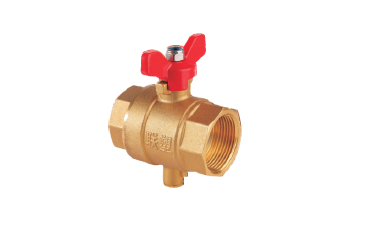
Major Regulatory Bodies and Their Standards
The type of certification required for a brass gas valve depends heavily on its intended geographical market and application. In North America, the primary certification is often provided by the American National Standards Institute (ANSI), which works with organizations like the Canadian Standards Association (CSA) and Underwriters Laboratories (UL). A common designation for low-pressure appliances and components is ANSI Z21.15 (for gas valve safety). In Europe, the CE marking is mandatory, confirming conformity with essential health, safety, and environmental protection standards (often harmonized with ISO). Specifying a safe gas system requires checking for the correct UL, CSA, or CE mark, indicating successful testing for gas service.
Specific Testing for Gas Service Suitability
Certification bodies conduct extensive testing that goes beyond simple pressure ratings. For a brass gas valve to be certified for gas service, it must pass tests related to thermal endurance, cycling, and, critically, zero-leak isolation. They test for compatibility of all non-metallic parts (like O-rings and seats, often PTFE) with common fuel gases, ensuring they won't rapidly degrade. Furthermore, specific certifications exist for different usage contexts, such as appliance connectors (e.g., furnaces, water heaters) versus main shut-off valves, requiring different structural features and operational reliability.
Compliance with Fuel Gas Codes
The use of a certified brass gas valve is directly mandated by local and national fuel gas codes (such as the International Fuel Gas Code - IFGC). These codes often specify the exact location where a manual shut-off valve is required (e.g., upstream of every appliance) and insist that the valve must be explicitly listed and labeled for that service. A failure to use a certified valve, even if it appears structurally sound, results in an installation being flagged as non-compliant and unsafe during inspection. This regulatory mandate is why procuring a properly certified valve from a trustworthy supplier is essential.
Material Composition Traceability
Another critical aspect of certification involves the material composition of the brass itself. Certain gases, like high-pressure acetylene, can react dangerously with copper content in brass. Certifications enforce traceability, ensuring the brass alloy used is safe and stable for the specified gas. High-quality brass valve manufacturers maintain strict control over their alloy compositions and provide the necessary documentation to confirm that the product meets the stringent metallurgical standards required for its intended application.
Conclusion
The selection of a brass gas valve in any gas line must be driven by explicit safety certifications such as UL, CSA, or CE. These markings are proof that the valve has been rigorously tested for reliability, sealing capability, and material safety under operating conditions. System safety demands rigorous adherence to pressure limitations and material compatibility. By relying on established and dependable suppliers such as LESSO, who offer a robust brass valve supply that meets these exacting international standards, installers and engineers can confidently build safe, compliant, and durable gas piping infrastructure.
