









The compatibility of components is one of the most critical considerations in gas piping systems, particularly when factoring in the hazards associated with high pressure. Brass ball fittings and valves are widely utilized in many fluid control applications due to their durability, cost-effectiveness, and corrosion resistance. However, their use in gas lines, especially those designated as "high-pressure," is subject to stringent safety regulations and material limitations. The answer to their compatibility is highly conditional on the specific gas, pressure rating, and intended application. Manufacturers like LESSO Group, committed to delivering reliable fluid control solutions, ensure their brass valve supply meets established standards, but system designers must always verify the suitability of any component.
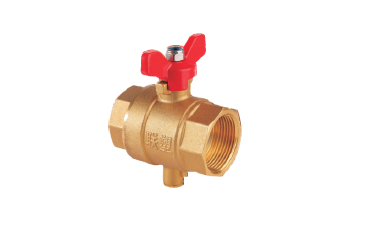
Material Limitations in High-Pressure Environments
Brass is an alloy primarily composed of copper and zinc, which makes it an excellent material for many low-to-moderate pressure applications, such as natural gas (NG) and liquefied petroleum gas (LPG) lines found in residential and commercial settings. However, brass has lower tensile strength compared to stainless steel or carbon steel, which are typically mandated for extremely high-pressure industrial gases (e.g., above 300 psi or in certain chemical processes). If a fitting is subjected to pressures beyond its stamped rating, the structural integrity of the brass ball fittings can be compromised, leading to dangerous leaks or failure.
The Role of Specific Gas Types
Compatibility isn't just about pressure; it's also about chemical reaction. Brass is suitable for most inert and non-corrosive fuel gases. However, certain industrial gases require careful evaluation. For instance, brass is explicitly restricted or forbidden for use with gases like acetylene due to the risk of forming unstable acetylides, which can be highly explosive under specific conditions. Therefore, when assessing the suitability of brass ball fittings for any gas line, the chemical properties of the gas being transported must always take precedence over the fitting's physical characteristics.
Understanding Pressure Ratings and Standards
When discussing "high-pressure," it's essential to define the pressure range. For most common residential or commercial natural gas systems, pressures are low (typically less than 0.5 psi). Brass fittings and valves excel here. For applications considered moderate or high-pressure (e.g., industrial headers or manifolds, sometimes exceeding 100 psi but below the critical threshold of 500-1000 psi), specially rated, forged brass components may be used. Compatibility must be verified against the manufacturer's pressure-temperature chart, and the choice of brass ball fittings must strictly comply with national and local building codes for gas service.
Sealing and Operational Reliability
Beyond the material itself, the design of the brass ball fittings—specifically, the valve element—ensures reliable sealing. Ball valves provide a quick, positive shut-off that is essential for emergency isolation in gas lines. However, the internal seals (often PTFE or similar plastics) must be rated for both the specific gas and the operating temperature. Incorrectly specified seal materials can degrade rapidly when exposed to aggressive gases, leading to system failure and leakage. Choosing components specifically certified for gas service is mandatory to guarantee operational safety.
Conclusion
In summary, brass ball fittings are compatible with—and widely used in—low and moderate-pressure natural gas and propane systems, provided they are explicitly rated and certified for gas service. They are generally not the optimal choice for lines carrying extremely high-pressure industrial gases or chemically reactive gases. System safety demands rigorous adherence to pressure limitations and material compatibility. By relying on established and dependable suppliers such as LESSO, who offer a robust brass valve supply, users can ensure they are sourcing high-quality, traceable components that meet required industry standards for their specific gas application.
