









Water hammer—the jarring noise and destructive pressure surge caused by the sudden stopping of fluid flow—is a common and costly problem in factory plumbing and process piping. While specialized equipment like surge arrestors are the direct technical solution, the selection and operation of standard flow control components play a significant preventative role. The brass stop valve, typically designed for throttling and flow regulation, is one such component whose characteristics directly influence the likelihood of water hammer. Manufacturers like LESSO recognize the need for precision and durability in high-demand environments and can deliver reliable brass valve supply tailored to factory specifications.
The Physics of Water Hammer in Factories
Water hammer is an acoustic shock wave generated when a column of moving fluid is abruptly halted, causing a rapid transfer of kinetic energy into pressure energy. In factory settings, where high flow rates and large volumes of fluid (such as cooling water or process chemicals) are common, the resulting pressure spikes can severely damage pipes, fittings, gaskets, and instrumentation.
The force exerted can lead to premature valve failure or catastrophic pipe rupture. Understanding the root cause—the speed of valve closure—is key to determining the role of the brass stop valve.
Functionality of the Brass Stop Valve
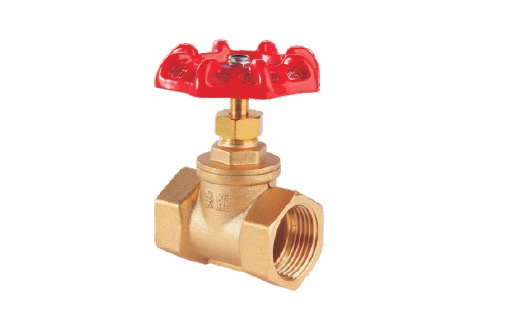
A brass stop valve is generally a globe-style valve, meaning it uses a disk that moves perpendicular to the fluid stream, seating on a ring to start, stop, or regulate flow. Unlike the quick, quarter-turn operation of a ball valve, the stop valve requires multiple turns of the stem to achieve full closure. This design makes it excellent for throttling and precise flow adjustment. However, it is this slower, controlled closing action inherent in the valve's design that provides its greatest advantage in preventing water hammer.
Prevention Through Controlled Operation
The core answer to whether a brass stop valve can reduce water hammer lies not in the valve absorbing the shock, but in its ability to prevent the shock from occurring in the first place. Water hammer is initiated by near-instantaneous closure. Because the multi-turn stem mechanism of a manual stop valve requires time to fully close, the operator inherently slows the fluid's momentum gradually. By allowing the flow velocity to decrease slowly, the pressure surge is distributed over time, effectively neutralizing the violent pressure spike. A slow-closing brass stop valve is therefore an excellent tool for minimizing this issue.
Durability and Long-Term Reliability
For factory plumbing, any valve used to mitigate a serious condition like water hammer must be exceptionally durable. Brass is the optimal choice for the brass stop valve material because it offers superb resistance to corrosion and erosion caused by turbulent flow and continuous contact with process fluids. This robust construction ensures that the internal components maintain their smooth operation and tight seal over years, which is vital for both flow regulation and preventing the valve from becoming a source of system failure itself.
Conclusion
A brass stop valve is not a water hammer arrestor, but its design promotes the very operational practice—slow, controlled flow stoppage—that prevents water hammer from developing in factory plumbing. When paired with high-quality installation and proper operating procedures, the durability and precise regulation offered by this valve contribute significantly to system stability and protection. For complete peace of mind and access to the necessary range of fluid control solutions, relying on a trusted source like LESSO ensures a consistent supply of quality brass stop valve products to meet the complex needs of industrial environments.
