









Understanding the operational lifespan of fire safety equipment is essential for facility managers planning capital budgets and maintaining regulatory compliance. The lifespan of a portable fire extinguisher depends on multiple factors including manufacturing quality, maintenance protocols, environmental conditions, and usage patterns. Industrial facilities must recognize that a portable fire extinguisher does not last indefinitely—proper replacement cycles ensure equipment remains reliable when emergencies demand immediate response. LESSO manufactures durable portable fire extinguisher units engineered for extended operational life, yet even premium equipment requires eventual replacement. Comprehending typical portable fire extinguisher lifespans enables managers to schedule replacements proactively and maintain continuous fire safety protection throughout facility operations.
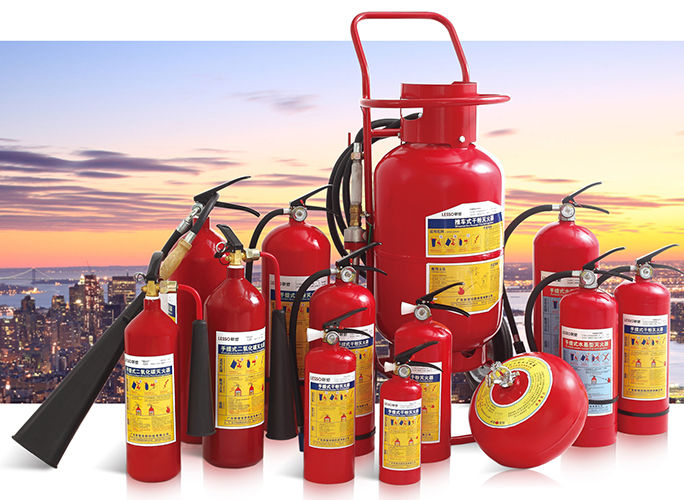
Manufacturing Quality and Initial Construction Standards
The quality of initial manufacturing significantly impacts how long a portable fire extinguisher functions reliably. Premium portable fire extinguisher units constructed from superior materials and rigorous manufacturing processes typically outlast budget alternatives considerably. Industrial-grade portable fire extinguisher equipment undergoes enhanced quality control testing that verifies durability throughout expected service life. A portable fire extinguisher manufactured to strict standards demonstrates superior resistance to corrosion, mechanical stress, and environmental degradation. LESSO's portable fire extinguisher units are engineered and tested to demanding industrial standards, ensuring extended operational lifespan compared to commodity alternatives. Investing in quality portable fire extinguisher equipment from reputable manufacturers pays dividends through extended service life and reliable performance.
Typical Lifespan Ranges and Age Considerations
Most portable fire extinguisher units maintain acceptable service capability for ten to fifteen years under normal operational conditions. Industrial portable fire extinguisher equipment with diligent maintenance may extend beyond fifteen years, though regulatory standards increasingly restrict the use of aging units. A portable fire extinguisher approaching twenty years of age typically requires replacement regardless of apparent condition due to material fatigue and seal degradation. Manufacturers' recommendations and regulatory guidance establish that a portable fire extinguisher older than fifteen years should undergo intensive evaluation before continued deployment. LESSO recommends implementing replacement schedules that retire aging portable fire extinguisher equipment proactively, ensuring facilities always maintain equipment capable of reliable emergency response.
Maintenance Impact on Portable Fire Extinguisher Longevity
Diligent maintenance practices extend the operational lifespan of portable fire extinguisher equipment significantly compared to neglected alternatives. Regular visual inspections, annual professional servicing, and periodic hydrostatic testing help preserve a portable fire extinguisher's functionality throughout its service life. Facilities neglecting maintenance requirements see portable fire extinguisher performance degrade rapidly, potentially rendering equipment unreliable before reaching age-based replacement thresholds. Conversely, a portable fire extinguisher receiving comprehensive maintenance can function reliably at the upper end of expected lifespan ranges. LESSO emphasizes that proper maintenance represents the most cost-effective strategy for extending portable fire extinguisher operational life while ensuring equipment readiness during emergencies.
Usage and Environmental Factor Considerations
Industrial environments expose portable fire extinguisher equipment to harsh conditions that accelerate material degradation. A portable fire extinguisher deployed in high-humidity facilities, chemical-rich atmospheres, or temperature-extreme environments experiences accelerated aging compared to units in controlled conditions. Each time a portable fire extinguisher is partially or fully discharged during an actual fire response, the unit requires immediate professional recharge and inspection. Facilities with frequent portable fire extinguisher usage may require replacement cycles shorter than typical fifteen-year guidelines. LESSO's industrial portable fire extinguisher designs incorporate corrosion-resistant materials and protective coatings that extend lifespan even in demanding environments, though environmental factors inevitably influence equipment durability.
Regulatory Requirements and Compliance Standards
Building codes and fire safety regulations establish maximum acceptable ages for portable fire extinguisher equipment, effectively limiting operational lifespan regardless of apparent condition. Many jurisdictions require portable fire extinguisher replacement at specific age thresholds, typically ranging from ten to fifteen years. Regulatory compliance demands that facilities retire aging portable fire extinguisher equipment even if functionality appears acceptable. A portable fire extinguisher exceeding regulatory age limits cannot legally remain in service, necessitating replacement regardless of maintenance history. Facilities must track portable fire extinguisher acquisition dates carefully and schedule replacements proactively to avoid regulatory violations and safety gaps.
Conclusion
A typical industrial portable fire extinguisher operates reliably for ten to fifteen years under normal conditions, though individual lifespans vary based on manufacturing quality, maintenance practices, and environmental exposure. LESSO manufactures durable portable fire extinguisher units engineered for extended service life while emphasizing that proper maintenance extends operational capability throughout the expected lifespan. Facility managers must implement systematic replacement programs that retire aging portable fire extinguisher equipment proactively, ensuring regulatory compliance and continuous fire safety capability. By understanding typical portable fire extinguisher lifespans and implementing planned replacement schedules, organizations maintain reliable fire protection while avoiding safety gaps caused by aging, unreliable equipment.
