









Backflow prevention is a non-negotiable safety requirement in any industrial fluid system, particularly those handling corrosive, abrasive, or viscous media. While standard check valves exist in various forms (swing, lift, piston), the stainless steel ball check valve offers a distinct and highly reliable solution for specific demanding applications. Its unique, simple mechanism and robust stainless steel construction make it the optimal choice when dealing with fluids that would cause conventional valves to fail or clog. LESSO Group is a professional manufacturer that deliver reliable stainless steel valve supply according to the needs and demands of applications requiring stringent backflow control.
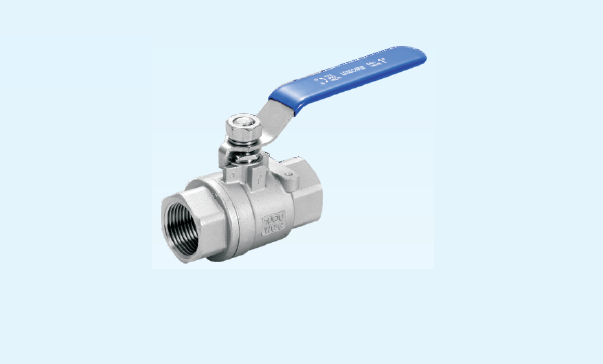
The Unique Mechanism for Reliable Sealing
The stainless steel ball check valve utilizes a free-floating or spring-loaded ball to control the flow. In the forward direction, fluid pressure pushes the ball out of the seating area, allowing unrestricted flow. When flow stops or reverses, gravity or back pressure immediately forces the ball back onto a concave seat, creating an exceptionally tight, positive seal.
This simple design has very few moving parts to wear out, and when constructed from stainless steel, it guarantees high integrity and minimal risk of leakage over a long service life, even under continuous use in harsh conditions.
Handling Viscous and Slurry Fluids
One of the greatest advantages of the stainless steel ball check valve over disc or swing check valves is its superior performance with fluids containing suspended solids or high viscosity. In a standard swing check valve, debris can easily accumulate around the hinge pin or disc, preventing a full, tight closure. The spherical design of the ball check is inherently self-cleaning (or "self-scouring"); as the ball moves, it helps to dislodge and move any sludge, slurries, or semi-solid particulates past the seat. This makes the stainless steel ball check valve indispensable for applications in wastewater, mining, and food processing where media is often thick or dirty.
Resistance to Corrosion and Chemical Attack
The choice of stainless steel (typically Grade 316) is mandatory when the fluid media is chemically aggressive. Wastewater, chemicals, or acidic industrial solutions can rapidly corrode the internal components of valves made from less resistant materials like brass or cast iron. Corrosion resistance is doubly important for a check valve, as any degradation of the seat or ball surface will compromise its ability to achieve a positive, leak-proof seal. The stainless steel ball check valve ensures that the critical sealing surfaces remain pristine, maintaining backflow safety even after prolonged exposure to harsh chemicals.
Optimal Use in Vertical Pipeline Installations
While many check valve types struggle with positioning, the stainless steel ball check valve is generally ideal for vertical pipe runs. In these installations, the ball is usually dependent on gravity to assist in seating the valve upon pressure loss. This gravity-assisted closure ensures rapid and reliable seating, minimizing the potential for fluid hammer or surge caused by slow closure speeds. This reliability in vertical orientation makes the stainless steel ball check valve a versatile component for complex factory piping and pumping stations.
Conclusion
The stainless steel ball check valve is the optimal choice for backflow prevention in specialized systems characterized by corrosive fluids, high viscosity, or vertical pipeline requirements. Its self-scouring ball design ensures reliability where other valves would jam or fail to seal, while the stainless steel construction guarantees longevity against chemical attack. By choosing a professional manufacturer like LESSO, engineers gain access to a quality stainless steel valve supply that meets these specialized demands, ensuring maximum backflow safety and operational integrity across the most challenging industrial fluid systems.
