









Water hammer is a pervasive and destructive phenomenon in fluid transport, characterized by a rapid, noisy pressure surge caused by the sudden stopping of fluid motion. In systems equipped with conventional check valves (which prevent backflow), water hammer often occurs when the forward flow ceases and the reversing column of fluid causes the valve's closing element (disc or swing arm) to slam violently against the seat. Preventing this "slamming" is a specialized task where the design and durability of stainless steel check valves play a critical role. LESSO Group is a professional manufacturer that deliver reliable stainless steel valve supply according to the needs and demands of applications requiring stable, surge-free operation.
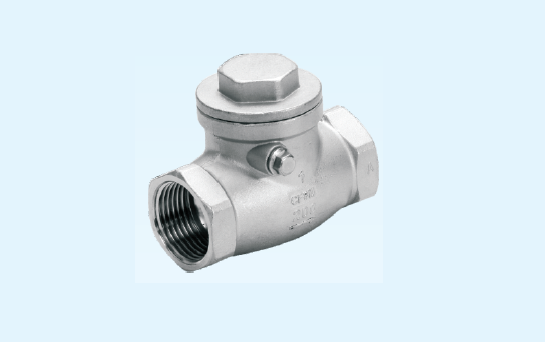
The Mechanism of Check Valve Slamming
Water hammer related to check valves is fundamentally a function of inertia and closure speed. When a pump shuts down, the fluid flow begins to slow and then reverse. If the check valve's internal mechanism (disc or swing arm) possesses high mass, its closure is delayed. This delay allows the fluid column to gain significant reverse velocity before the valve finally slams shut, converting the fluid’s kinetic energy into a damaging pressure wave (water hammer). Reducing this closure time is the essential strategy employed by specialized stainless steel check valves.
Non-Slam Designs for Rapid Closure
To counteract the slam effect, engineers specify specialized, non-slamming stainless steel check valves that use low-inertia components or spring assistance to ensure extremely rapid closure. Designs like silent check valves (featuring a spring-loaded disc) or nozzle check valves (with a center-guided, short-stroke plug) minimize the travel distance and closure time. By achieving full closure before the reverse velocity becomes damaging, these advanced check valve designs effectively dampen the surge, distributing the pressure change gradually and neutralizing the water hammer risk.
Stainless Steel’s Role in Sustained Performance
The choice of stainless steel, typically Grade 316, is crucial for long-term water hammer mitigation. In industrial settings, the fluid media may be corrosive or contain particulates. Corrosion or scaling on the seating surfaces or hinges of a standard check valve will introduce friction, slow the closing speed, and eventually cause the valve to stick—thereby reintroducing the risk of slamming and water hammer. The superior corrosion resistance of stainless steel check valves ensures that the critical internal components remain clean, frictionless, and capable of achieving the necessary rapid, silent closure year after year.
Minimizing Pressure Drop to Aid Efficiency
While specialized check valves focus on preventing reverse flow, the overall geometry is also optimized to minimize pressure drop during forward flow. Excessive pressure drop would force the pump to work harder, increasing energy consumption. Modern stainless steel check valves, while designed for rapid response, utilize efficient flow paths to maintain high forward flow rates. This balance ensures that the solution to water hammer does not create a new efficiency problem, thus extending the lifespan and performance of the entire pumping system.
Conclusion
The effective reduction of water hammer risk by stainless steel check valves relies on advanced designs that ensure rapid, reliable closure before the reversing fluid column can slam the seating surface. This specialized performance, combined with the material durability of stainless steel, makes these components mandatory for protecting high-value industrial equipment and piping from destructive pressure surges. By partnering with a professional manufacturer like LESSO, engineers can access a trusted stainless steel valve supply that meets the stringent requirements for safety, efficiency, and long-term stability in demanding fluid systems.
