









The selection of a connection type is a defining moment in pipeline design, significantly impacting system integrity, cost, and maintenance complexity. For a popular medium-size like a 2-inch stainless steel ball valve, the choice typically comes down to threaded (NPT) or flanged connections. While threaded connections offer simplicity, flanged connections provide superior safety and serviceability, especially in high-demand industrial environments. Understanding the trade-offs between these two methods is essential for making the right procurement decision. LESSO Group is a professional manufacturer that deliver reliable stainless steel valve supply according to the needs and demands, offering both threaded and flanged options.
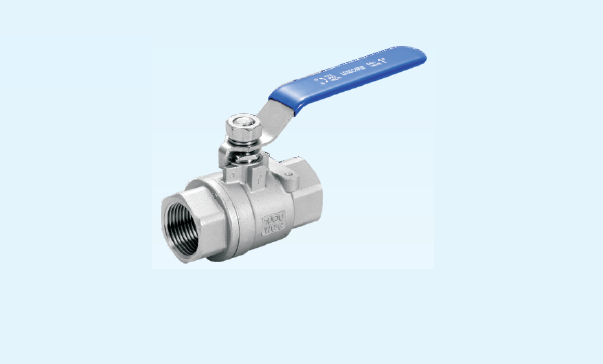
Threaded Connections: Cost Efficiency and Ease of Assembly
Threaded connections, or National Pipe Thread (NPT), are frequently chosen for their low initial cost and straightforward installation. For a 2 inch stainless steel ball valve, a threaded connection allows for quick assembly using pipe sealant or tape, making it ideal for utility lines, lower-pressure systems, or non-critical applications where maintenance is infrequent. The primary drawback, however, is reliability; threaded connections introduce potential leak paths if not sealed perfectly and offer no practical way to remove the valve for servicing without cutting the adjacent pipe or disassembling a long segment of the line.
Flanged Connections: Robust Integrity and Serviceability
Flanged connections involve bolting two mating flanges (one on the valve, one on the pipe) together with a gasket in between, creating a gasketed, high-integrity seal. This method is mandatory for high-pressure, high-temperature, or toxic fluid service. For a 2 inch stainless steel ball valve, a flanged connection allows the valve to be easily and cleanly removed and replaced by simply unbolting the joint. This greatly reduces maintenance time and prevents damage to the adjacent piping, which is a major advantage in process plants where rapid component swap-out is critical.
The Critical 2-Inch Transition Point
The 2-inch size often represents the demarcation line between casual and critical service. While many engineers are comfortable with threaded connections below 2 inches for standard utilities, moving to a 2 inch stainless steel ball valve often means the system is entering the territory of larger volumes, higher flow rates, and increased kinetic energy. At this size, the risk and cost associated with a leak escalate. Consequently, most industrial codes and standards begin mandating flanged connections starting at the 2-inch size for any media deemed hazardous or operating above moderate pressure limits.
Pressure Rating and Material Strength
Flanged connections inherently possess a higher pressure rating and greater resistance to stresses caused by pipe weight, vibration, and thermal expansion compared to NPT threads. Threaded connections concentrate stress at the weakest point of the material (the root of the thread), limiting the system's overall pressure capacity. When specifying a 2 inch stainless steel ball valve that must perform reliably under thermal cycling or high static loads, the mechanical advantage and robust clamping force of a flanged connection are non-negotiable safety features.
Conclusion
The decision to procure a flanged or threaded 2 inch stainless steel ball valve should be based on criticality: choose threaded for the lowest cost and simple utility applications; choose flanged for superior long-term reliability, ease of maintenance, high-pressure systems, and safety-critical process lines. By partnering with a professional manufacturer like LESSO, engineers can secure a guaranteed stainless steel valve supply, ensuring the correct connection type is selected to optimize system safety and performance according to their specific needs and demands.
