









The pharmaceutical industry operates under extremely strict regulatory mandates for sterility and purity, relying heavily on Clean-in-Place (CIP) and Sterilization-in-Place (SIP) systems. In these processes, every component, including a small flow regulator like a 1 inch 1 inch stainless steel ball valve, must meet demanding hygienic standards. The function of this valve goes beyond simple flow control; it must ensure that cleaning agents and steam reach every internal surface and that no fluid pockets (known as dead legs) are created where microbial contamination can thrive. LESSO Group is a professional manufacturer that deliver reliable stainless steel valve supply according to the rigorous needs and demands of this highly regulated sector.
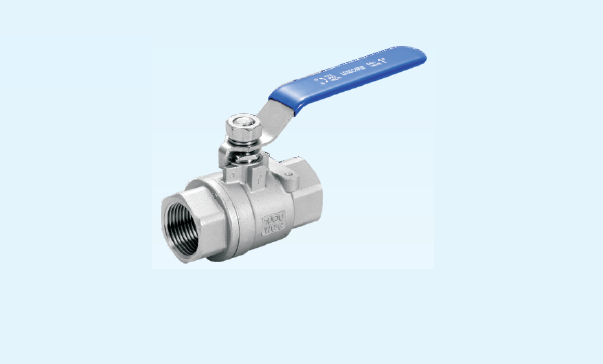
Material Requirement: 316L Stainless Steel and Surface Finish
In pharmaceutical and biotech applications, the standard material for a 1 inch stainless steel ball valve is almost always 316L stainless steel. The "L" denotes low carbon content, which minimizes chromium depletion during welding, thereby maintaining maximum corrosion resistance against aggressive CIP chemicals (such as sodium hydroxide, nitric acid, and various sanitizers) and high-temperature steam from SIP. Furthermore, the internal surfaces of the valve are required to have a specific hygienic surface finish. This polished finish prevents bacteria and product residues from adhering to the surface, allowing the cleaning fluids to effectively shear away contaminants.
Eliminating Dead Legs and Product Entrapment
The greatest challenge a traditional ball valve faces in CIP/SIP is the cavity between the ball and the valve body, which creates a dead space where process fluid can become trapped and cleaning solution may not fully penetrate. A conventional 1 inch stainless steel ball valve is therefore unsuitable. For hygienic service, the valve must be designed with either a cavity-filled body (using soft inserts to minimize the gap) or, ideally, a flush-seated design (where the stem is positioned to ensure the ball seats tightly against the body, eliminating internal pockets). This design ensures that CIP solutions completely scour the entire internal area, preventing the formation of bio-films.
Operational Efficiency and Quarter-Turn Simplicity
Despite the design modifications required for hygiene, the core function of the 1 inch stainless steel ball valve remains beneficial: fast, quarter-turn operation. This allows for quick, reliable isolation or diversion within smaller process lines. During a CIP sequence, multiple valves must cycle rapidly to direct cleaning solutions and rinse water to different parts of the system. The simplicity and speed of the ball valve mechanism contribute significantly to the overall efficiency and automation of the CIP cycle, reducing the time and resources required to achieve a sterile environment.
Pressure Resistance During SIP Cycles
The SIP (Sterilization-in-Place) process involves injecting high-temperature, pressurized clean steam through the system to kill any remaining microorganisms. A typical 1 inch stainless steel ball valve must be constructed and certified to withstand these continuous thermal cycles without leaking or suffering material fatigue. While the valve body handles the heat, the seals (typically specialized PTFE or PEEK rated for high steam temperatures) are critical for maintaining the pressure boundary, ensuring steam is delivered effectively throughout the system and not lost.
Conclusion
The 1 inch stainless steel ball valve is a cornerstone of hygienic fluid control in the pharmaceutical industry, not just for its on/off capabilities, but because its specially 316L construction and flush-seated design directly address the critical demands of CIP/SIP processes. It ensures full drainability and prevents contamination pockets, safeguarding product purity and regulatory compliance. By choosing a professional manufacturer like LESSO, engineers can secure a guaranteed stainless steel valve supply that meets the stringent quality and design specifications required for robust and effective sterilization cycles.
