









In modern energy systems—whether industrial cooling loops, large-scale HVAC systems, or district heating networks—maintaining precise thermal balance is essential for energy efficiency and operational stability. Thermal balance depends entirely on delivering the exact, calculated mass flow rate of the heat transfer fluid to the load. The component responsible for this vital function is the stainless steel flow control valve. Unlike simple on/off isolation valves, this modulating device ensures dynamic regulation, preventing energy waste and optimizing system response. LESSO Group is a professional manufacturer that deliver reliable stainless steel valve supply according to the needs and demands of applications requiring high-precision thermal management.
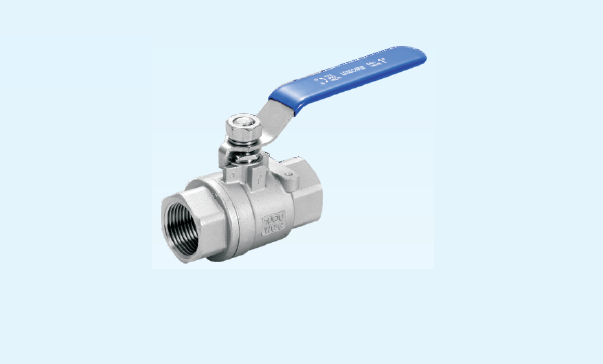
The Mechanism of Precise Modulating Control
A stainless steel flow control valve is typically a globe-style valve (or specialized diaphragm valve) engineered for accurate throttling. Instead of a quarter-turn, it utilizes a multi-turn stem to position a plug or disc within a carefully designed seat geometry. This design provides an extremely linear relationship between the stem position and the flow rate, allowing automation systems to make precise, incremental adjustments. The ability of the valve to precisely modulate the fluid stream is what allows it to regulate the amount of heat energy delivered to a heat exchanger or coil, thereby maintaining the desired setpoint temperature for the entire thermal loop.
Achieving Dynamic Hydronic Balance
Thermal balance is fundamentally a hydronic challenge. If a cooling or heating circuit receives too much flow, energy is wasted, and the system becomes unstable; too little flow, and the load (e.g., a chiller or boiler) fails to operate efficiently. The stainless steel flow control valve works in concert with a temperature sensor and a Proportional-Integral-Derivative (PID) controller. The valve's actuator receives a signal from the controller and adjusts the flow resistance dynamically. This continuous, automated adjustment ensures that the flow rate exactly matches the real-time thermal load, preventing short-cycling of equipment and maximizing overall system coefficient of performance (COP).
Material Selection for System Longevity
The fluid in high-efficiency energy systems is often chemically treated, heated, or pressurized (e.g., high-temperature steam or glycol-based coolants). Therefore, the construction material must guarantee performance and longevity. Stainless steel (often Grade 316) is mandatory because it resists corrosion, erosion, and the effects of continuous thermal cycling that would degrade carbon steel or brass. Choosing a stainless steel flow control valve ensures that the critical internal sealing surfaces and plug geometry remain smooth and precise throughout the system's lifespan, preserving the valve's ability to maintain high-precision throttling characteristics.
Integration with Building Automation Systems (BAS)
In commercial and industrial facilities, the stainless steel flow control valve is the physical link between the fluid distribution system and the digital Building Automation System (BAS). The valve typically uses electric or pneumatic actuators that receive 4-20mA or 0-10V signals from the BAS. This seamless integration allows facility managers to monitor valve performance, track energy consumption, and implement sophisticated control algorithms that optimize the entire thermal network in real-time. Reliable, repeatable actuation is key to preventing manual intervention and ensuring maximum system uptime.
Conclusion
The stainless steel flow control valve is an indispensable component in the quest for energy efficiency and thermal stability in complex fluid systems. Its precise modulating design, combined with the durability of stainless steel, allows energy networks to dynamically match fluid delivery to thermal demand, reducing waste and protecting expensive equipment. By choosing a professional manufacturer like LESSO, engineers can secure a guaranteed stainless steel valve supply that meets the stringent requirements for high-performance flow control and integration within modern thermal management systems.
