









Slurry transport—the movement of fluid mixed with high concentrations of abrasive solids (like mining tailings, sand, or pulp)—is one of the most mechanically demanding services for any flow control component. While the stainless steel gate valve is selected for its robust corrosion resistance, the constant friction from the solids can rapidly erode the gate and seating surfaces, leading to costly failure and leakage. Addressing this severe gate wear requires moving beyond standard valve design to incorporate specific material and structural modifications. LESSO is a professional manufacturer that deliver reliable stainless steel valve supplies according to the needs and demands of applications in the highly abrasive slurry environment.
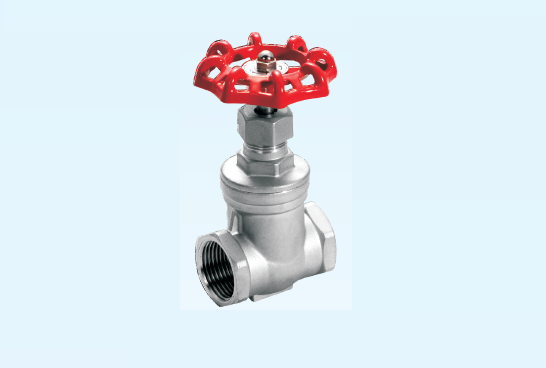
Understanding the Mechanism of Slurry Erosion
Gate wear in slurry service is primarily caused by two simultaneous mechanisms: abrasion and erosion. Abrasion occurs as the solid particles scrape against the gate and seats during opening and closing cycles. Erosion occurs as the high-velocity fluid, carrying solids, impinges on the metal surfaces, particularly near the edge of the gate as it moves into the flow path. These actions quickly destroy the soft metal surfaces, compromising the valve's ability to achieve a positive, bubble-tight seal. Using a stainless steel gate valve made from high-grade 316 SS addresses the corrosion aspect, but specific design features are needed to handle the abrasion.
The Necessity of the Knife Gate Design
For slurry service, the traditional wedge-style gate valve is largely unsuitable because the slurry tends to accumulate in the bottom of the wedge cavity, preventing full closure and causing the gate to jam. The preferred solution is the knife gate valve. This design uses a thin, sharp stainless steel gate that is engineered to slice through the column of dense slurry or settled solids. Crucially, the valve body and seats are typically designed with smooth, uninterrupted pathways that minimize pockets where slurry can settle, thereby reducing the concentrated abrasion that wears down the gate and seats.
Hardening Treatments for Gate and Seat Surfaces
To maximize the service life of the stainless steel gate valve against abrasive media, the stainless steel itself must be fortified. This is achieved through surface hardening treatments, such as Stellite (cobalt-chromium alloy) overlays or Tungsten Carbide coatings applied to the seating area and the knife edge. These extremely hard coatings create a sacrificial layer that is far more resistant to friction and impact from solid particles than plain stainless steel. Specifying a stainless steel gate valve with these hardened trim materials drastically extends the time before the valve requires replacement or reconditioning.
Incorporating Flush-Out and Purge Connections
Another engineering solution to gate wear is active management of the solid materials within the valve chamber. Many severe-service stainless steel gate valves are equipped with flush-out ports or purge connections located strategically near the gate seats. These ports allow operators to periodically inject a high-pressure clean fluid (water or air) to flush away accumulated slurry and grit, especially before the valve is fully closed. By clearing the path of potential jamming and abrasive material, the lifespan of the critical seating surfaces is preserved, ensuring the valve seals correctly when shut.
Conclusion
Addressing gear wear in slurry transport is essential for system reliability and relies heavily on specialized component design. The solution is typically a stainless steel gate valve of the knife gate type, optimized with hardened seating and gate surfaces (like Stellite or Tungsten Carbide) and often equipped with purge connections for active debris removal. This combination allows the inherent corrosion resistance of stainless steel to be paired with the necessary mechanical durability. By partnering with a professional manufacturer like LESSO, engineers can secure a guaranteed stainless steel valve supply that is specially fabricated to survive the extreme abrasion encountered in slurry applications.
