









Pumps are the heart of any fluid handling system, and their longevity directly depends on the cleanliness of the media they process. Unfiltered fluid containing grit, scale, or debris is the number one cause of pump failure, impeller erosion, and premature seal wear. The primary defense against this threat is the stainless steel Y strainer, a simple but indispensable component designed to mechanically remove undesirable solids from the flow line. By placing this device strategically upstream of critical equipment, operators ensure a long, efficient life for their pumps. LESSO is a professional manufacturer that deliver reliable stainless steel valve supply and complementary components like strainers according to the rigorous needs and demands of industrial clients.
Mechanical Barrier to System Debris
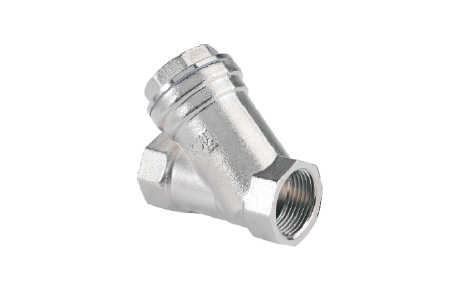
The function of the stainless steel Y strainer is elegantly simple: it houses a removable screen or mesh element designed to capture particulate matter. The "Y" shape allows the strainer to be installed directly in line while minimizing the physical obstruction to flow. As fluid passes through the pipeline, any solid debris larger than the strainer’s mesh size is trapped within the screen pocket. This continuous pre-filtration prevents foreign objects from entering the sensitive moving parts of the pump, protecting components such as impellers, diffusers, and shafts from impact damage and erosion, which are common precursors to catastrophic failure.
Direct Protection for Pump Seals and Bearings
The most common point of failure in a pump is often the mechanical seal. Even microscopic grit can embed itself between the seal faces, causing continuous abrasion, leakage, and rapid seal degradation. When this happens, costly downtime and repairs are inevitable. By effectively capturing these fine particles, the stainless steel Y strainer ensures that only clean fluid reaches the pump housing, drastically reducing wear on the seals and bearings. This direct protection extends the Mean Time Between Failures (MTBF) for the pump, providing a significant boost to overall operational lifespan and reliability.
Longevity Through Stainless Steel Construction
The material used for the strainer body and screen is crucial, given the abrasive and sometimes corrosive nature of the captured debris. Stainless steel, particularly Grade 316, is superior for this application because it resists erosion and the corrosion caused by retained foreign matter and chemicals. While debris sitting in the strainer pocket could cause localized corrosion on carbon steel or brass, the robust body of the stainless steel Y strainer maintains its structural integrity. This ensures the strainer itself doesn't become a source of system contamination and can be reliably reused after cleaning.
Ease of Maintenance for Sustained Efficiency
Maintaining the stainless steel Y strainer is critical for both component protection and system efficiency. A clogged strainer causes an increasing pressure drop, which forces the pump to work harder, leading to higher energy consumption and potential cavitation. However, the Y strainer design typically includes a convenient "blow-off" connection at the bottom of the screen leg. This allows operators to quickly purge accumulated debris with minimal interruption to the flow, ensuring the component's continuous high-performance filtration and maximizing the sustained efficiency and lifespan of the entire pump system.
Conclusion
The installation of a stainless steel Y strainer is a fundamental preventative measure that directly extends the lifespan and efficiency of costly pump systems by acting as a reliable mechanical filter. Its ability to shield seals and impellers from abrasive solids translates into reduced wear, fewer unplanned shutdowns, and significant maintenance savings. By choosing a professional manufacturer like LESSO, engineers can secure a guaranteed stainless steel valve supply and corresponding filtration components, ensuring every part of the fluid system is optimized for durability and long-term performance.
