









Stainless steel (SS) is the material of choice for piping systems exposed to corrosive media, high temperatures, or extreme pressures. From chemical processing to pharmaceutical manufacturing, correctly specifying stainless steel valves and fittings ensures system integrity and minimizes maintenance costs. However, selection is complex, requiring careful consideration of metal grade, component function, and connection type. This guide outlines the key criteria for optimizing your piping design using stainless steel components. LESSO is a professional manufacturer that deliver reliable stainless steel valve supply according to the rigorous needs and demands of this complex engineering sector.
Foundational Step: Selecting the Correct Stainless Steel Grade
The primary selection criterion for all stainless steel valves and fittings is the material grade, typically 304 or 316. Grade 304 SS offers excellent corrosion resistance and strength and is suitable for general applications, moderate temperatures, and non-chloride environments (e.g., standard water, air). Conversely, Grade 316 SS is the required standard for highly corrosive media, including acids, saltwater, or high-chloride chemicals. The Molybdenum added to 316 SS significantly enhances resistance to pitting and crevice corrosion, ensuring a longer service life in aggressive settings like wastewater treatment or coastal installations.
Matching Valve Type to System Function
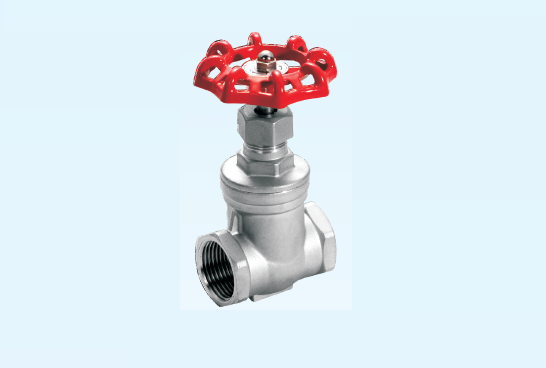
Once the grade is determined, the valve type must match the required function: isolation, throttling, or diversion. A stainless steel ball valve is ideal for quick, positive on/off isolation where minimal pressure drop is desired. A stainless steel gate valve is used for full-bore isolation, offering zero flow restriction when fully open, and is best suited for infrequent shut-offs. For applications requiring precise flow regulation or throttling, a globe valve is the preferred choice, as its design minimizes damage caused by partial opening. Misapplication of a valve type, such as using a gate valve to throttle flow, can rapidly degrade the valve's lifespan and compromise the system's integrity.
Choosing the Right Connection: Fittings and Ends
The longevity of a piping system is often determined by its weakest link—the connection joint. Stainless steel valves and fittings come with various end connections:
Threaded (NPT): Suitable for smaller pipe sizes and non-critical, lower-pressure systems where quick assembly and disassembly are necessary.
Flanged: Used for large pipelines and connections to equipment, allowing easy removal for maintenance while maintaining high pressure ratings.
Welded (Socket Weld or Butt Weld): Mandated for high-pressure, high-temperature, or toxic media applications where permanent, leak-proof joints are essential. Matching the fitting (e.g., elbow, tee) grade to the valve grade is non-negotiable to prevent localized corrosion at the joint.
Verifying Pressure and Temperature Ratings
All stainless steel valves and fittings are governed by a Pressure-Temperature (P/T) rating. These charts show the maximum allowable working pressure (MAWP) at specific temperatures. System designers must never rely solely on the ambient pressure rating. As temperature increases, the yield strength of the metal decreases, and the internal seals (seats, gaskets) soften, causing a significant reduction in MAWP. For extremely hot fluids (e.g., steam), non-metallic seats must be replaced with materials like PEEK or metal seats, as noted in previous safety standards.
Conclusion
Optimizing a piping system using stainless steel valves and fittings is a multi-layered process that requires critical analysis of fluid chemistry, temperature, and required component function. The choice between 304 and 316 stainless steel is fundamental to corrosion resistance, while the end connection dictates the joint's permanence and pressure capacity. By specifying components correctly and partnering with a professional manufacturer like LESSO, users can access a guaranteed stainless steel valve supply that meets the demanding standards required for safe, high-performance industrial piping.
